Introduction to the Future of Democracy Conference
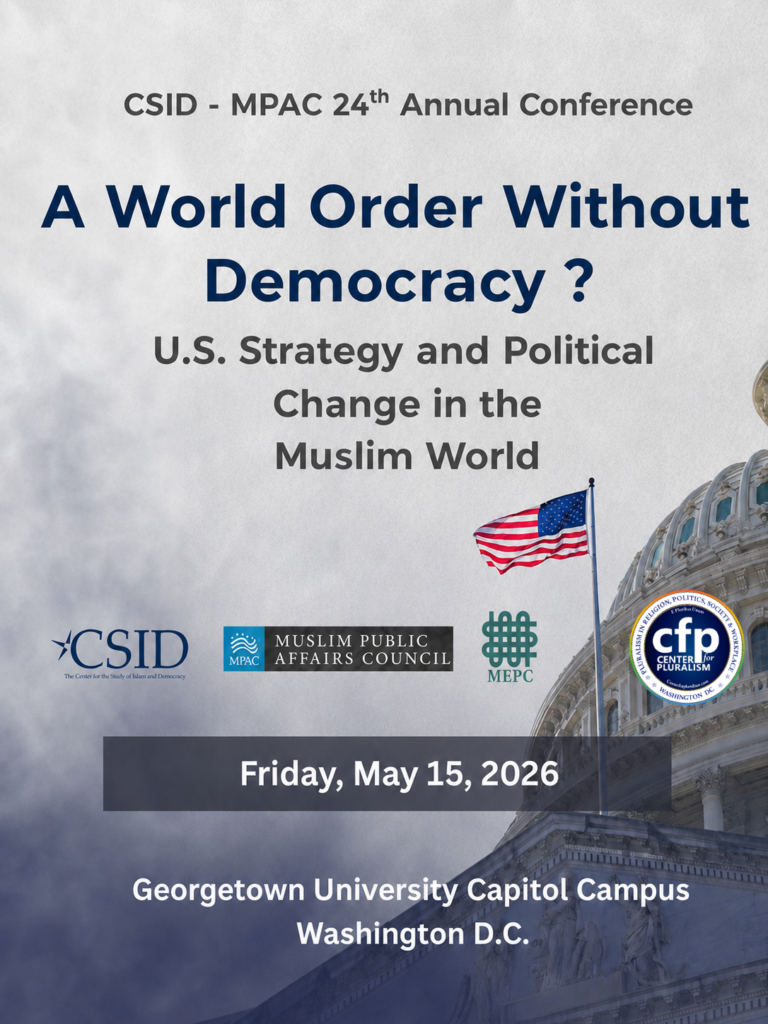
The Future of Democracy Conference is more than just an academic gathering—it’s a powerful platform where ideas, policies, and visions converge to shape the world’s political future. Hosted by the renowned Center for the Study of Islam and Democracy in collaboration with Muslim Public Affairs Council, this 24th annual conference promises to be one of the most impactful events of the year.
Supported by Center for Pluralism, this event reflects a shared commitment to dialogue, diversity, and democratic values. If you care about global governance, policy, and the future of democratic systems, this is an opportunity you simply cannot miss.
Why This Event Matters in Today’s World
In an era marked by political uncertainty, shifting alliances, and growing challenges to democratic norms, spaces like the Future of Democracy Conference are essential. They provide a forum for open dialogue, critical thinking, and collaborative problem-solving.
The Growing Need for Democratic Dialogue
Around the globe, democracy faces both opportunities and threats. From evolving geopolitical dynamics to digital misinformation, the need for informed discussion has never been greater. This conference serves as a bridge between scholars, policymakers, and the public.
About the Organizers and Sponsors
Role of CSID in Promoting Democracy
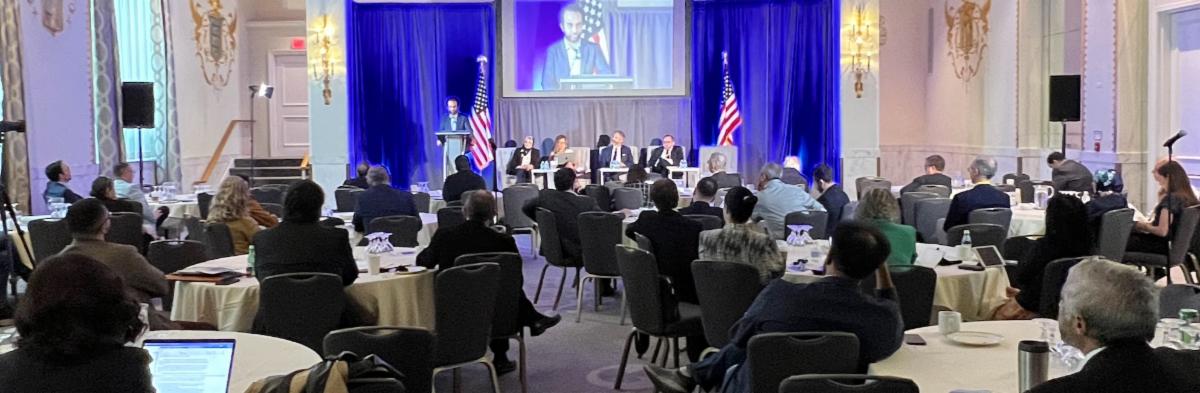
The Center for the Study of Islam and Democracy has long been a leader in fostering dialogue about democracy in Muslim-majority societies. Through research, events, and advocacy, CSID encourages inclusive governance and civic participation.
Contribution of Center for Pluralism
As a proud sponsor, the Center for Pluralism plays a crucial role in promoting diversity and inclusion. Their involvement highlights the importance of pluralistic values in shaping democratic futures.
Importance of Collaborative Sponsorship
Partnerships like these demonstrate that democracy thrives when institutions work together. By bringing multiple perspectives to the table, the conference ensures a richer, more balanced discussion.
Key Highlights of the Conference
Distinguished Keynote Speakers
This year’s lineup features globally recognized thought leaders and experts, including:
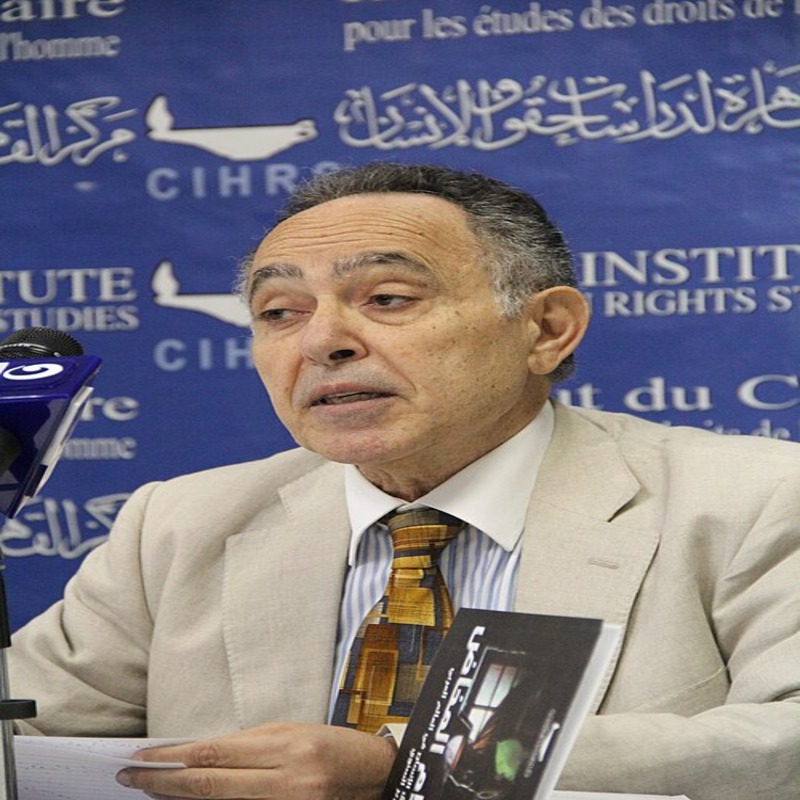
Bahey eldin Hassan is an Egyptian human rights activist, journalist, and one of the pioneers of the modern human rights movement in Egypt and the Arab world. He co-founded the Cairo Institute for Human Rights Studies in 1993 and continues to serve as its director, promoting democratic transformation and human rights education across the region. Beginning his activism in the 1980s, he played a key role in the Egyptian Organization for Human Rights and helped document abuses and engage with international institutions.

Akbar Ahmed is a Pakistani-American academic, anthropologist, author, and former diplomat known for his influential work on Islam and contemporary Muslim societies. He serves as the Ibn Khaldun Chair of Islamic Studies at American University in Washington, D.C. and has held teaching positions at institutions including Harvard and Princeton. Ahmed previously served as Pakistan’s High Commissioner to the United Kingdom and Ireland. Widely recognized for his scholarship, he is regarded as a leading authority on contemporary Islam and has contributed through books, films, and public discourse.
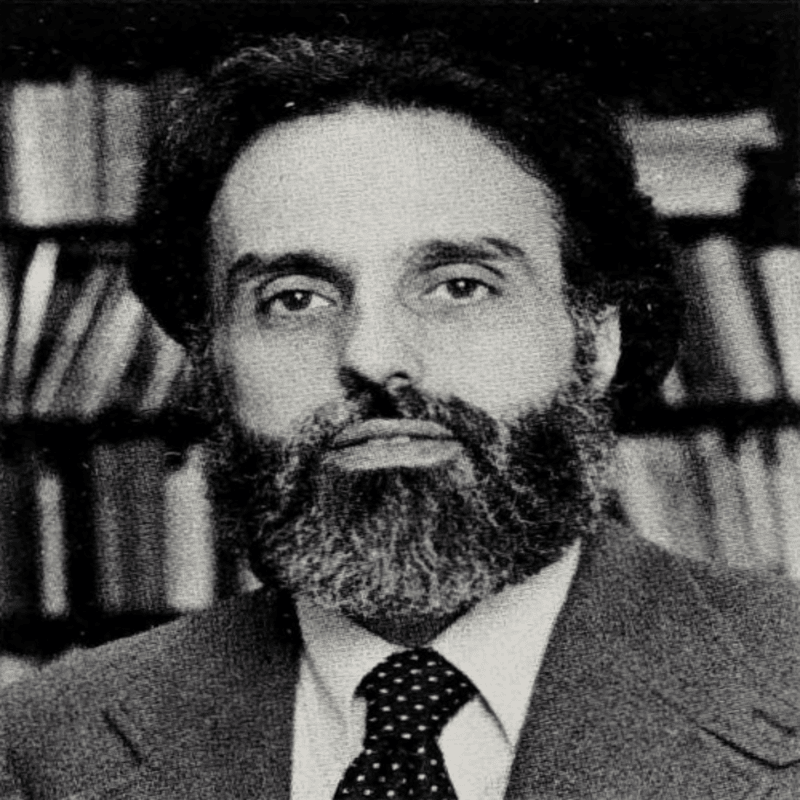
John Esposito is an American academic, professor of religion, international affairs, and Islamic studies, widely recognized for his scholarship on Islam and Muslim societies. He serves at Georgetown University, where he is also the founding director of the Prince Alwaleed Center for Muslim–Christian Understanding. Over his career, he has taught religious studies and contributed extensively to the academic study of Islam. Esposito has authored and edited numerous influential books and reference works, helping shape contemporary understanding of Islam, interfaith relations, and global religious dynamics.
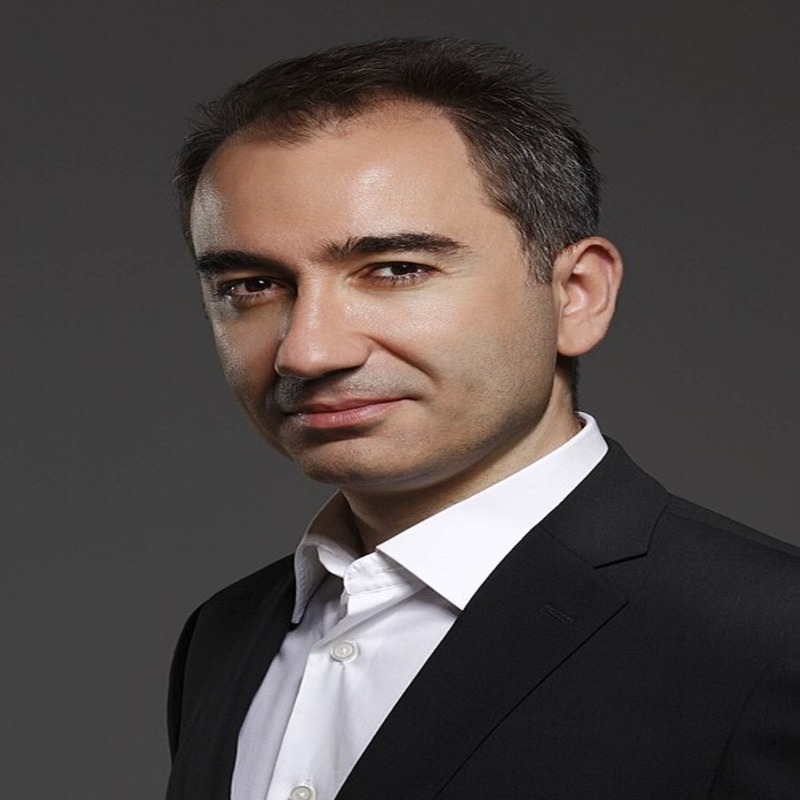
Mustafa Akyol is a Turkish writer, journalist, and intellectual known for his work on Islam, liberalism, and modern Muslim societies. He has written for various international publications and is recognized for advocating religious freedom, reform, and a reconciliation between Islam and liberal democratic values. Akyol is the author of several influential books, including Islam Without Extremes, and has spoken widely on issues of faith, tradition, and modernity. He is also a senior fellow at the Cato Institute, contributing to discussions on global liberty and public policy.

Shadi Hamid is an American political scientist, author, and columnist known for his work on Islam, democracy, and Middle East politics. He has served as a senior fellow at the Brookings Institution and is a columnist at The Washington Post. Hamid is also a research professor of Islamic studies at Fuller Theological Seminary, where he became the first Muslim scholar appointed to the faculty. He has authored several influential books on political Islam and democratic theory, contributing to global debates on religion, governance, and international affairs.
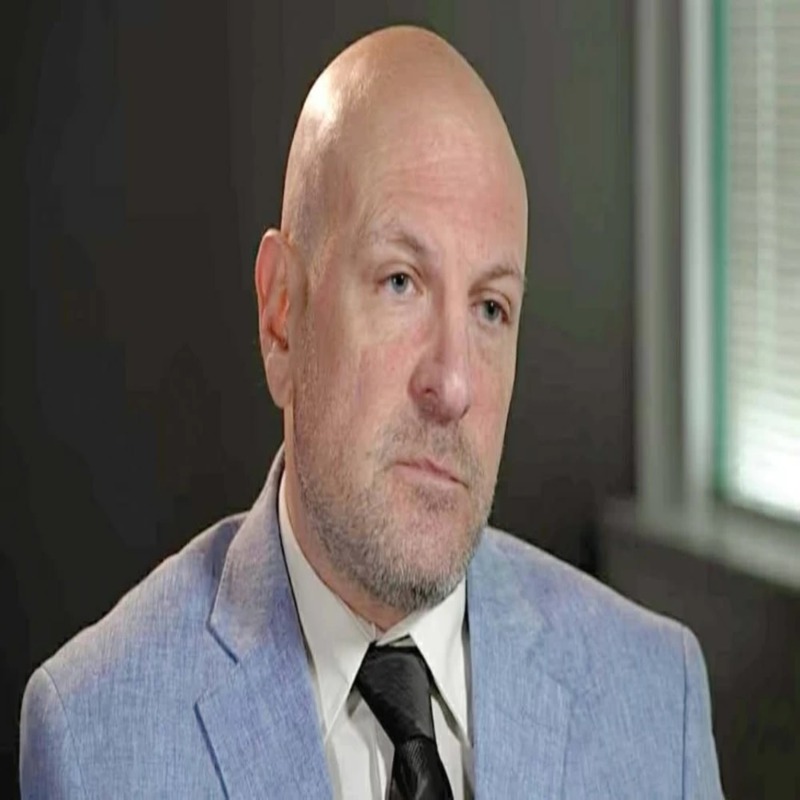
Josh Paul is an American human rights advocate and former U.S. State Department official who served as director of congressional and public affairs in the Bureau of Political-Military Affairs. During his tenure, he worked on oversight and approval of international arms transfers and security assistance. In October 2023, he resigned in protest of U.S. policy on arms transfers to Israel during the Gaza conflict, becoming one of the first officials to publicly dissent. Since then, he has continued his work in policy advocacy, focusing on human rights, foreign policy reform, and accountability.
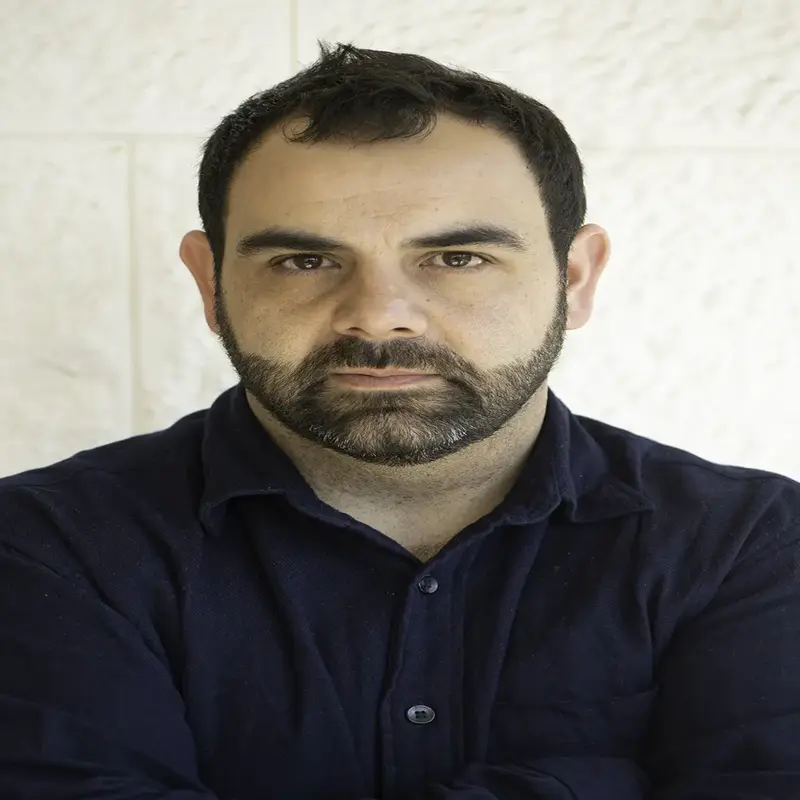
Omar Shakir is an American human rights lawyer and advocate focused on the Middle East and U.S. foreign policy. He serves as the executive director of Democracy for the Arab World Now (DAWN), an organization dedicated to promoting democracy and accountability in the region. He previously worked as Israel and Palestine Director at Human Rights Watch, where he led research and advocacy on human rights issues. Shakir has also worked with the Center for Constitutional Rights and contributed to major reports on human rights violations and international law.
A special keynote luncheon will feature Robert Malley, offering unique insights into global diplomacy.
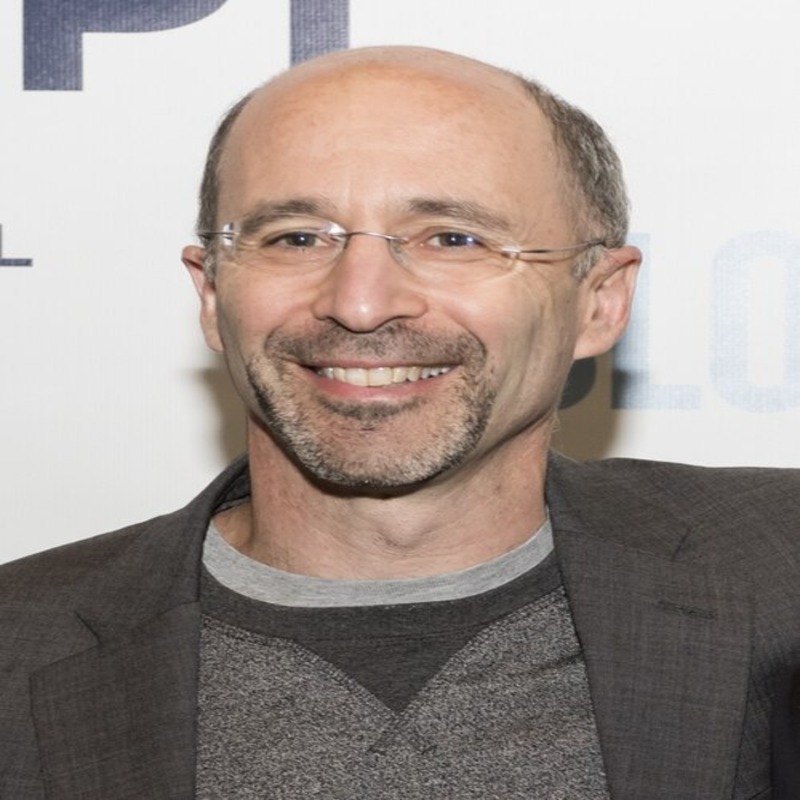
Robert Malley is an American diplomat, lawyer, and political scientist known for his work on conflict resolution and Middle East policy. He served as the United States Special Envoy for Iran under President Joe Biden from 2021 to 2023, working on efforts to revive the Iran nuclear deal. Malley was also the lead U.S. negotiator for the 2015 Joint Comprehensive Plan of Action (JCPOA). He previously held senior roles in the Clinton and Obama administrations and served as president of the International Crisis Group.
Experts Shaping Global Policy
These speakers are not just academics—they are active participants in shaping international policy and discourse. Their insights will provide attendees with a deeper understanding of global challenges and opportunities.
Congressional Participation
Adding further depth to the event, two members of Congress will share their perspectives on U.S. policy and global leadership.
Insights into U.S. Foreign Policy
This rare opportunity allows attendees to hear directly from policymakers, gaining firsthand knowledge about the direction of U.S. foreign policy and its global implications.
Featured Sessions and Discussions
Democracy in the Modern World
Sessions will explore how democracy is evolving in response to technological, social, and political changes.
Challenges to Global Governance
Topics include:
- Political polarization
- Human rights concerns
- International cooperation
Policy, Ethics, and Leadership
Discussions will focus on ethical leadership and the responsibilities of governments in maintaining democratic values.
Networking Opportunities
Engage with Scholars and Policymakers
The conference provides a unique platform to interact directly with leading experts, activists, and decision-makers.
Building Meaningful Connections
Whether you are a student, researcher, or professional, this event offers invaluable opportunities to expand your network and collaborate on future initiatives.
Why You Should Attend
Benefits for Students and Researchers
- Access to cutting-edge research
- Opportunities to ask questions and engage in dialogue
- Exposure to global perspectives
Value for Policy Professionals
- Insights into current policy debates
- Networking with influential leaders
- Strategic knowledge for career advancement
Personal and Professional Growth
Attending the Future of Democracy Conference can broaden your perspective, sharpen your critical thinking, and inspire meaningful action.
Event Details and Program Access
How to Access the Final Program
You can view the full program here:
👉 https://conta.cc/4dm6d5g
What to Expect During the Event
- Keynote speeches
- Panel discussions
- Interactive Q&A sessions
- Networking opportunities
The Future of Democracy Conference and Global Impact
Strengthening Democratic Institutions
By fostering dialogue and collaboration, this conference contributes to stronger democratic institutions worldwide.
Inspiring the Next Generation
Young leaders and thinkers will leave the event inspired to contribute to a more just and inclusive world.
FAQs
1. What is the Future of Democracy Conference?
It is an annual event that brings together experts, policymakers, and scholars to democracy and global policy.
2. Who organizes the conference?
It is organized by the Center for the Study of Islam and Democracy in partnership with MPAC.
3. Who should attend this event?
Students, academics, policymakers, and anyone interested in democracy and global affairs.
4. Are there networking opportunities?
Yes, attendees can connect with speakers, experts, and fellow participants.
5. How can I access the program?
You can view it via the official link provided above.
6. Why is this conference important?
It addresses critical global challenges and provides a platform for meaningful dialogue.
Conclusion
The Future of Democracy Conference stands as a beacon of dialogue, collaboration, and forward-thinking leadership. With an exceptional lineup of speakers, participation from policymakers, and support from organizations like the Center for Pluralism, this event is set to make a lasting impact.
Don’t miss this rare opportunity to be part of a conversation that shapes the future. Join us, engage with global leaders, and contribute to building a more democratic world.