Two hundred and fifty years ago, a bold experiment in liberty began. Against remarkable odds, America grew into a nation that has inspired the world through its spirit of freedom, innovation, and opportunity. Generation after generation, people from every corner of the Earth have come here—not because we are perfect, but because America has always believed tomorrow can be better than today. As we celebrate our 250th anniversary, we should ask ourselves one important question:
What legacy will America leave for the next 250 years?
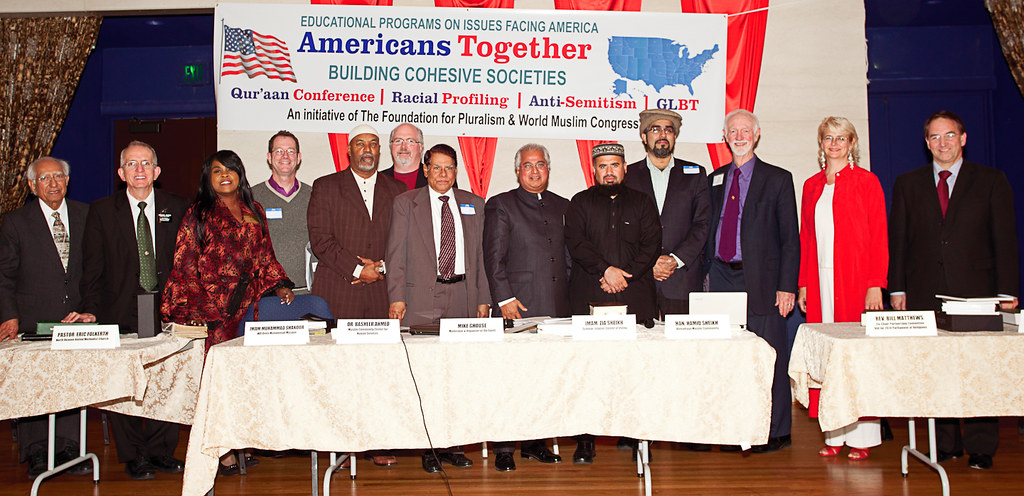
I believe the answer is pluralism, a society where every individual can belong without giving up who they are. Just as America has led the world through innovation, it can now lead the world by showing how people of every faith, race, ethnicity, culture, and background can live together with dignity, mutual respect, and peace.
America’s Greatest Strength Has Always Been Its People
America has always been at the forefront of every aspect of life, distinguished by our enduring attitude of “Yes, we can do it.” This mindset has spurred countless innovations, making life easier, more productive, and more meaningful. Both immigrants and generations of Americans cherish our country for its opportunities for creativity and innovation that benefit everyone.
In his farewell speech as President, Ronald Reagan remarked:
“Anyone, from any corner of the Earth, can… become an American.”
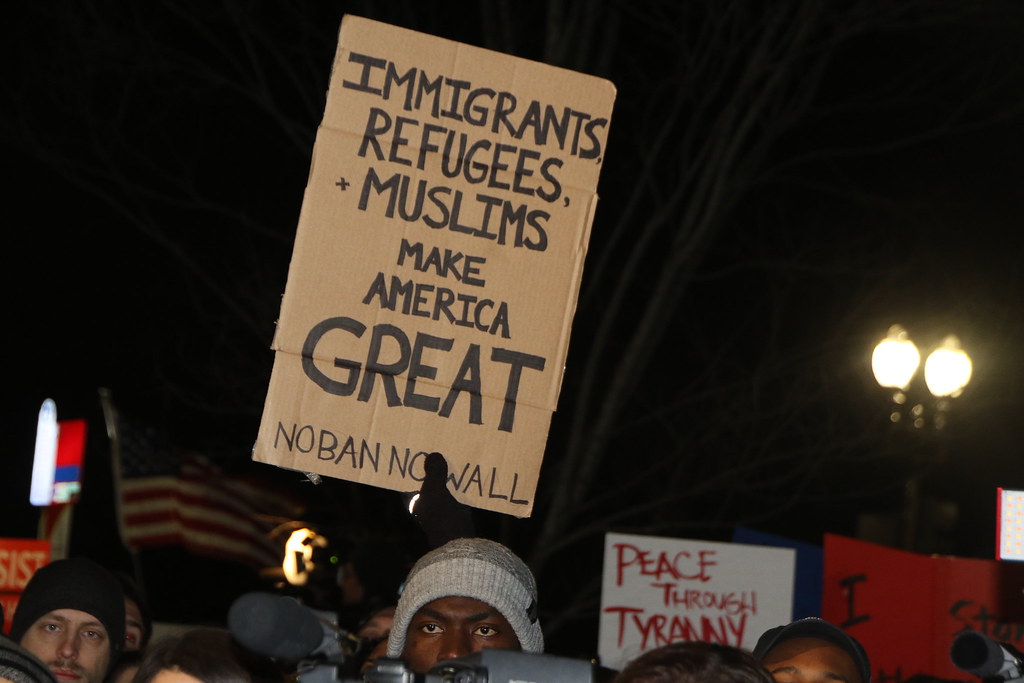
His words captured the essence of the American Dream and reflected his belief that immigrants and generations of Americans alike enrich our nation through advancements in science, medicine, technology, space exploration, agriculture, food science, and everyday products that benefit humanity.
The Next Great American Frontier Is Pluralism
America’s next frontier is pluralism. It will enable our nation to lead boldly into the new millennium and become the defining legacy we leave to future generations.
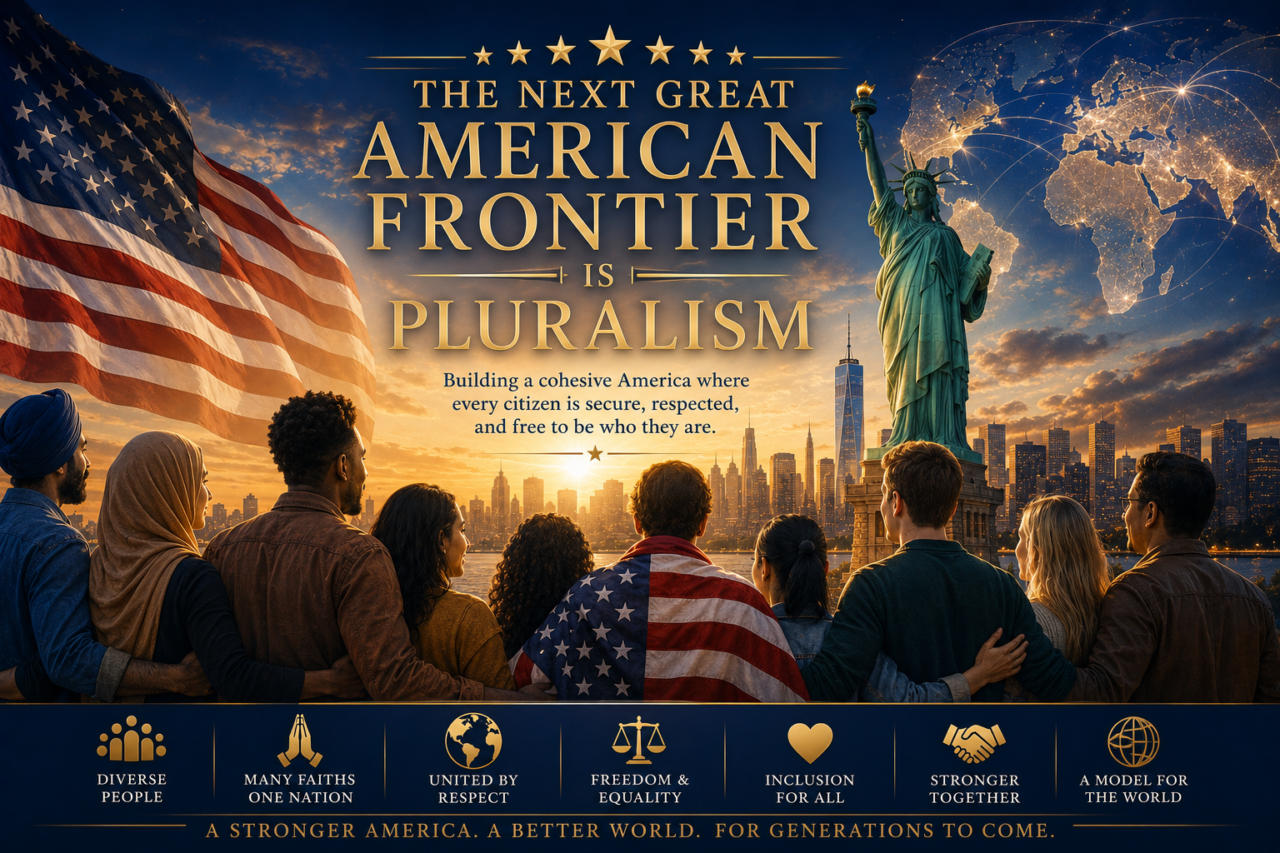
Pluralism is about building a cohesive America, one where every citizen feels secure in their race, faith, ethnicity, nationality, culture, whether they belong to a majority or minority, their political views, or their sexual orientation
The world already looks to America as a model for innovation and democracy. Now, we have the opportunity to lead by demonstrating how a truly diverse society can flourish. By building a cohesive nation at home, we encourage other countries to pursue the same path.
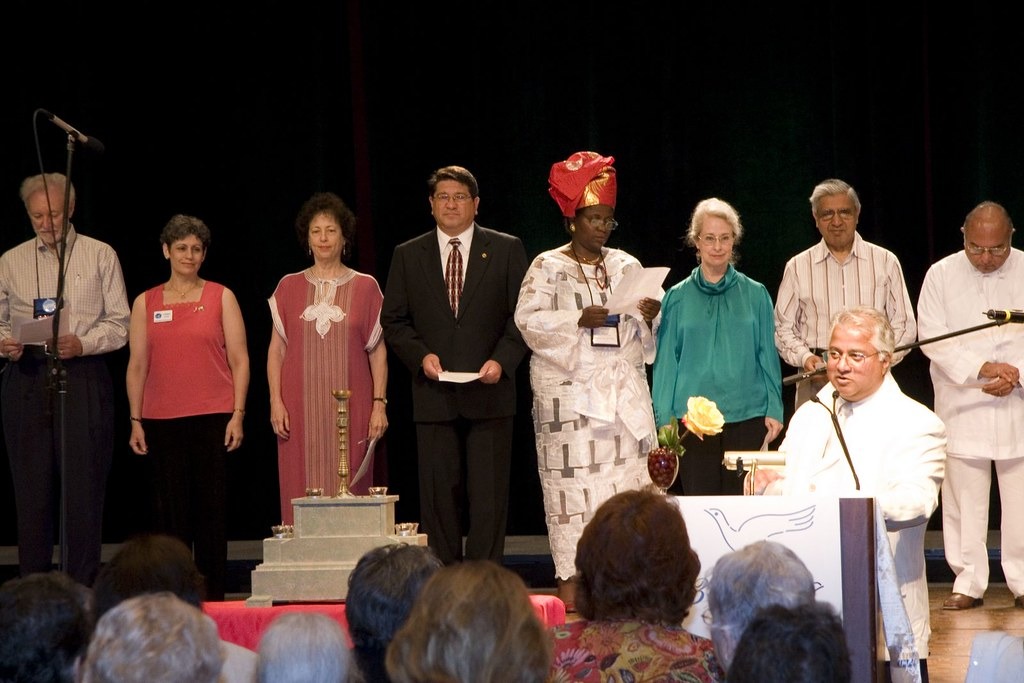
What Every Faith Teaches About Living Together
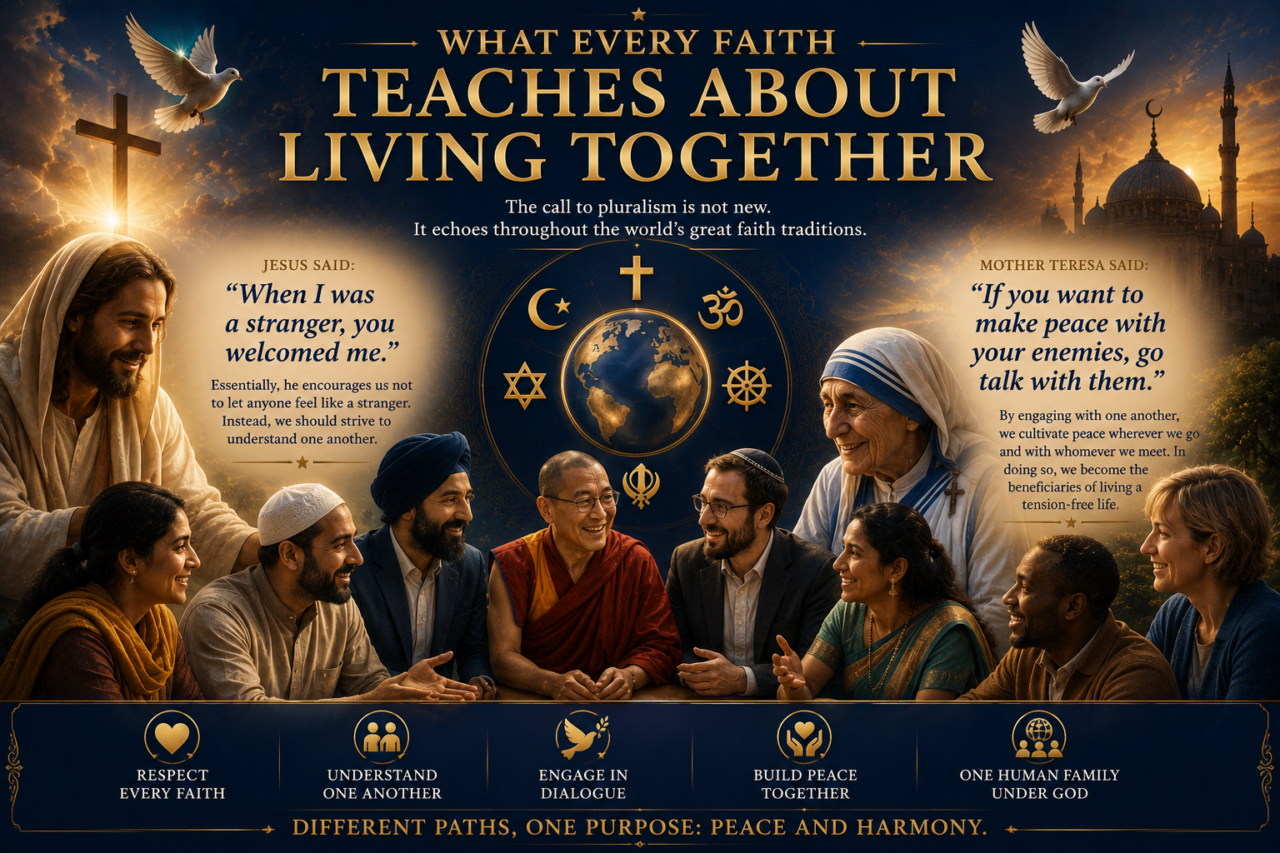
The call to pluralism is not new. It echoes throughout the world’s great faith traditions.
Jesus made a profound statement:
“When I was a stranger, you welcomed me.”
Essentially, he encourages us not to let anyone feel like a stranger. Instead, we should strive to understand one another.
Mother Teresa expressed the same truth in another way:
“If you want to make peace with your enemies, go talk with them.”
By engaging with one another, we cultivate peace wherever we go and with whomever we meet. In doing so, we become the beneficiaries of living a tension-free life.
The Quran’s Celebration of Human Diversity
The Quran offers another beautiful perspective. God could have created all of humanity exactly alike—as if we were robots. Instead, He created every individual with a unique thumbprint, eye print, taste buds, color preferences, and DNA, affirming the uniqueness of every human being.
He placed humanity into different races, tribes, nations, ethnicities, and, by extension, religions. The Quran teaches that the best among us are those who take the time to know one another.
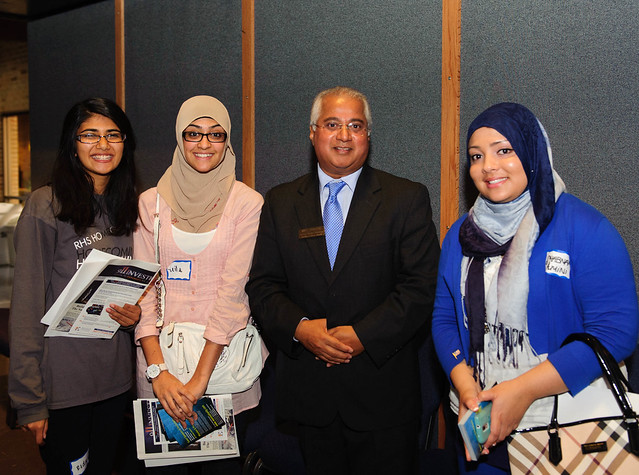
Every religious tradition emphasizes the importance of living in peace. A month after this article is published, we will include quotes from various religions that promote building a cohesive society.
Harmony Is the Design of Creation
That is all God wants. He created the universe in harmony, and everything has functioned in remarkable balance for millions of years.
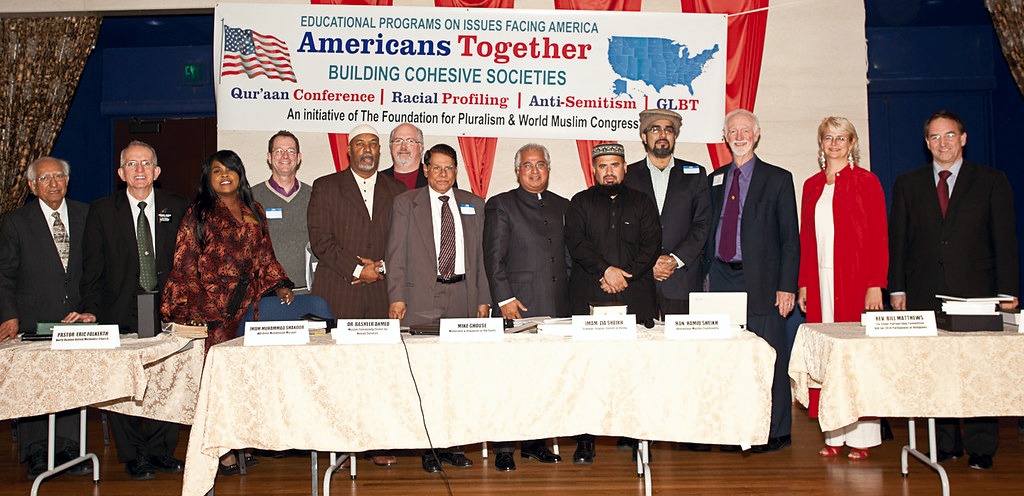
He also gave us total freedom—a gift capable of creating harmony among individuals, families, and nations, yet also capable of producing conflict and war.
Knowing that humanity would sometimes abuse that freedom and make mistakes, God sent prophets, messengers, avatars, Tirthankaras, Gurus, Shamans, and others to restore harmony among us.
The Peace We All Seek
Deep within, every one of us seeks the same things: peace, security, and justice.
Our peace of mind grows when we choose not to become anxious about the different ways others worship God, those who may not believe in God, people who wear clothing we might not understand, or individuals who express their identities differently from our own.
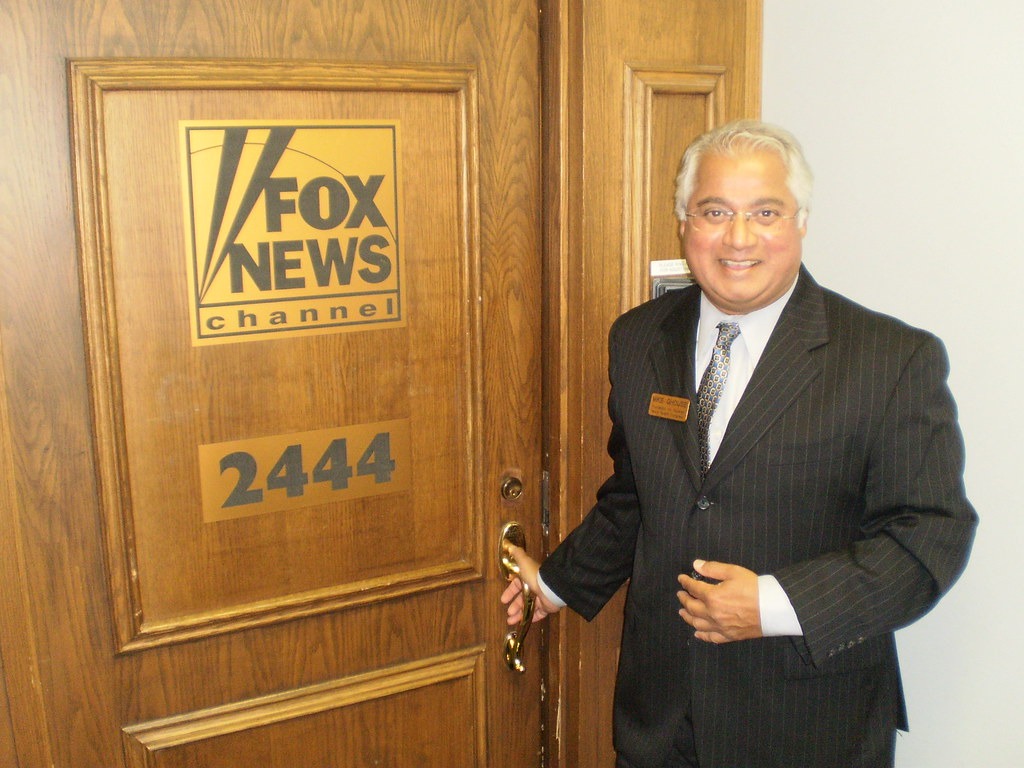
Do we genuinely want to live in peace?
If the answer is yes, then perhaps the first step is learning to replace judgment with understanding.
Two Questions That Can Transform Our Perspective
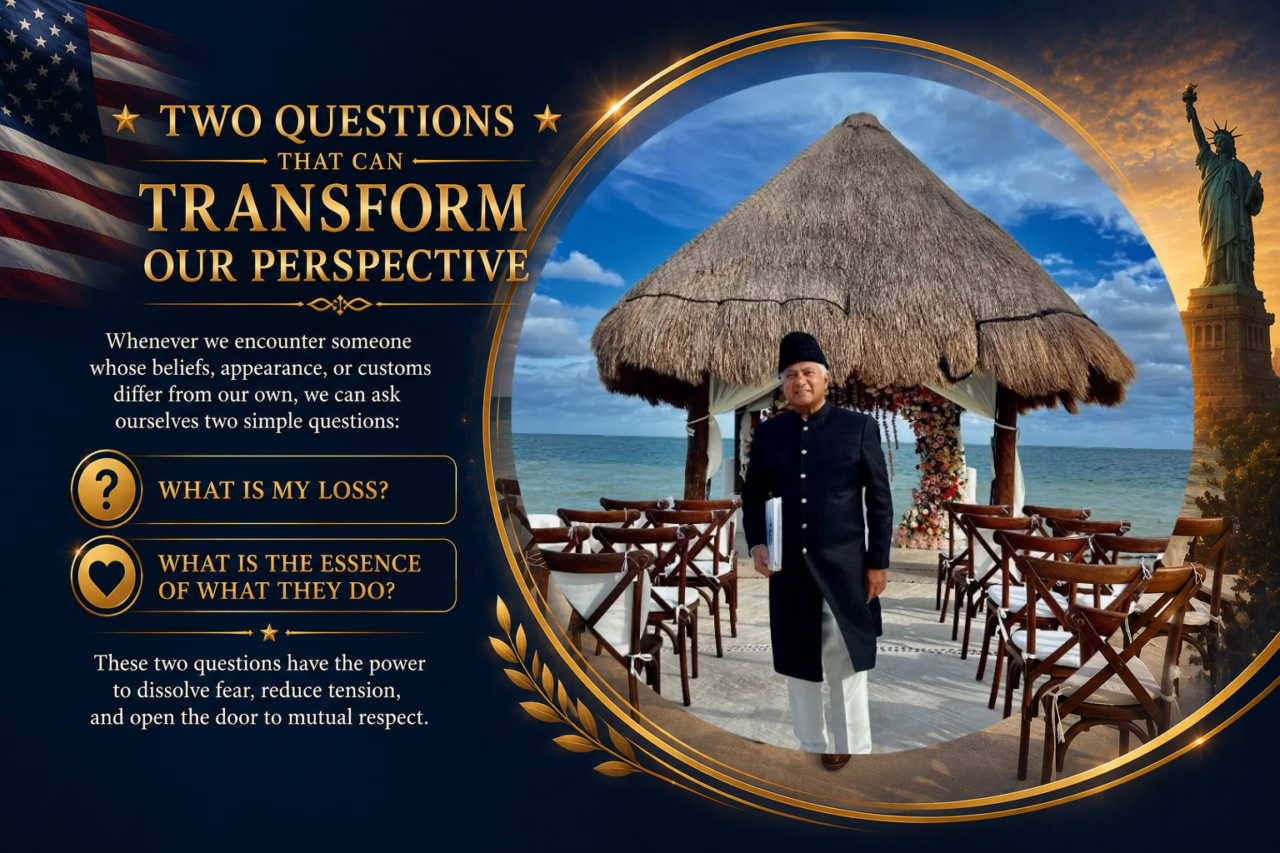
Whenever we encounter someone whose beliefs, appearance, or customs differ from our own, we can ask ourselves two simple questions:
What is my loss?
What is the essence of what they do?
These two questions have the power to dissolve fear, reduce tension, and open the door to mutual respect.
Unity Without Uniformity
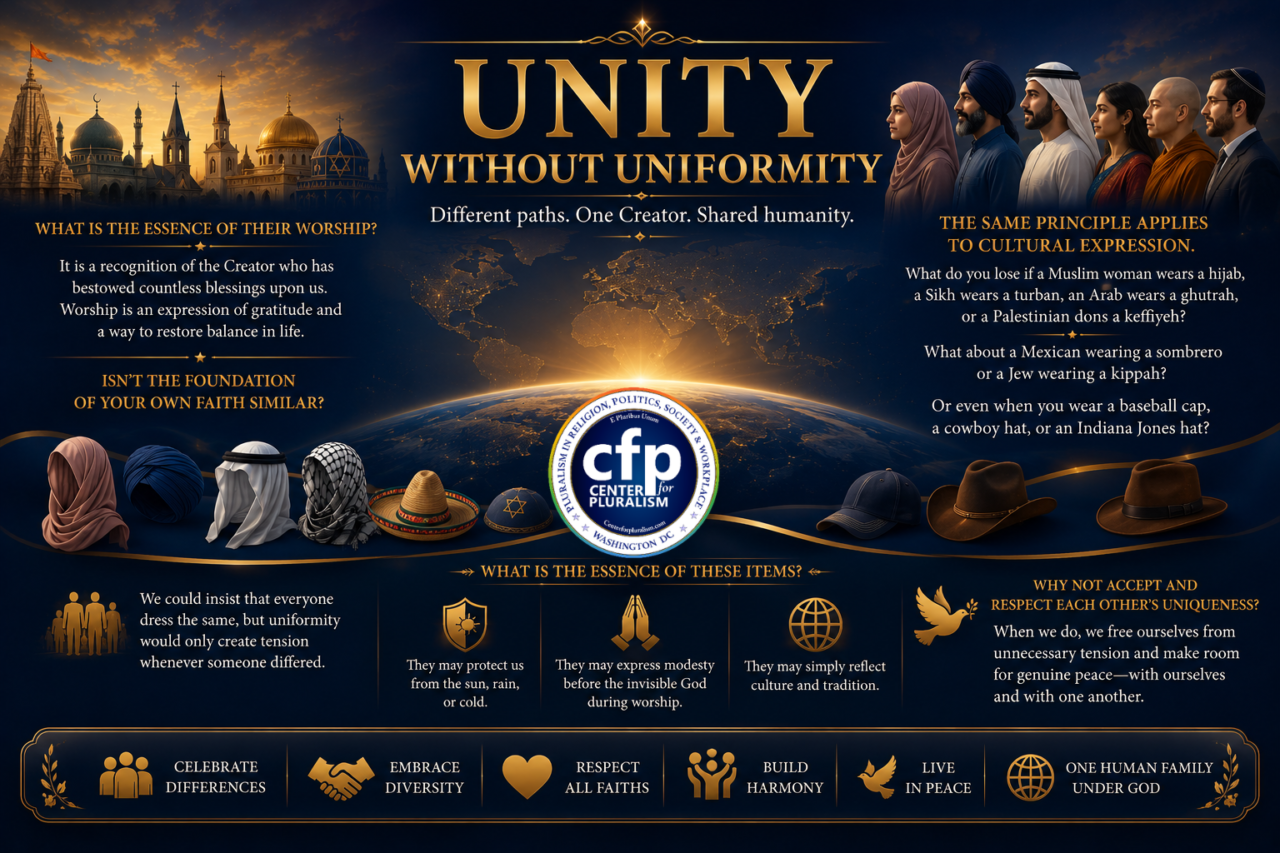
Consider a few examples.
What do you lose when you see a Hindu, Muslim, Christian, Jew, Sikh, Buddhist, or someone from another faith worshipping God in their own way?
What is the essence of their worship?
It is a recognition of the Creator who has bestowed countless blessings upon us. Worship is an expression of gratitude and a way to restore balance in life.
Isn’t the foundation of your own faith similar?
The same principle applies to cultural expression.
What do you lose if a Muslim woman wears a hijab, a Sikh wears a turban, an Arab wears a ghutrah, or a Palestinian dons a keffiyeh?
What about a Mexican wearing a sombrero or a Jew wearing a kippah?
Or even when you wear a baseball cap, a cowboy hat, or an Indiana Jones hat?
What is the essence of these items?
They may protect us from the sun, rain, or cold. They may express modesty before the invisible God during worship. They may simply reflect culture and tradition.
We could insist that everyone dress the same, but uniformity would only create tension whenever someone differed.
Why not accept and respect each other’s uniqueness?
When we do, we free ourselves from unnecessary tension and make room for genuine peace—with ourselves and with one another.
Building America’s Next Great Legacy
America has accomplished extraordinary things over the past 250 years. The next great achievement may not be a technological breakthrough or a scientific discovery.
It may be showing the world how people with different beliefs, backgrounds, and identities can live together without fear—united not by sameness, but by mutual respect.
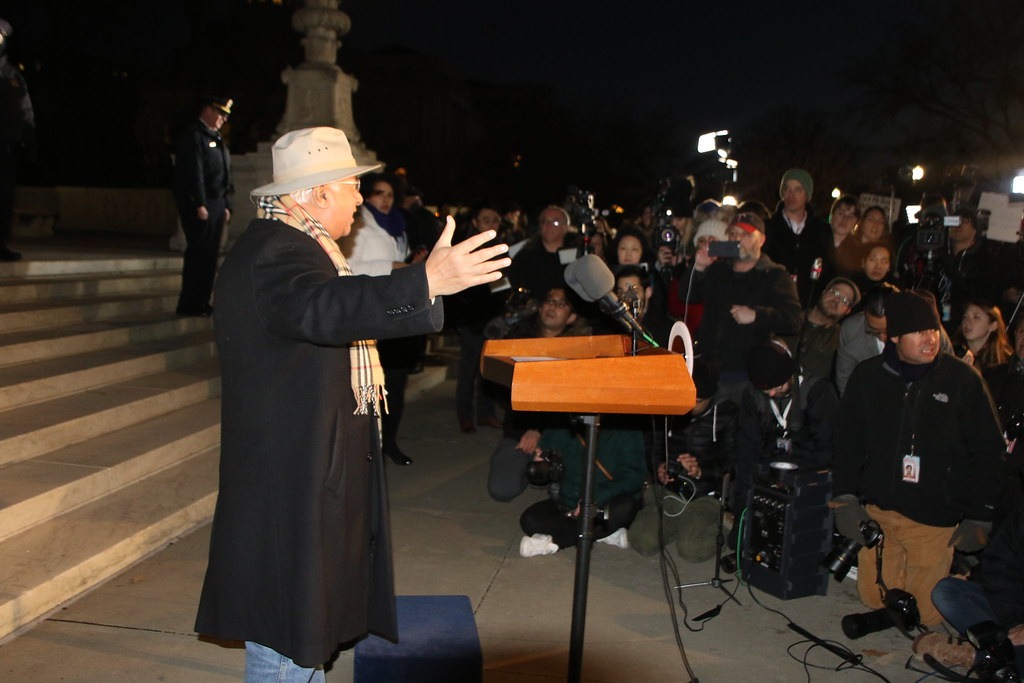
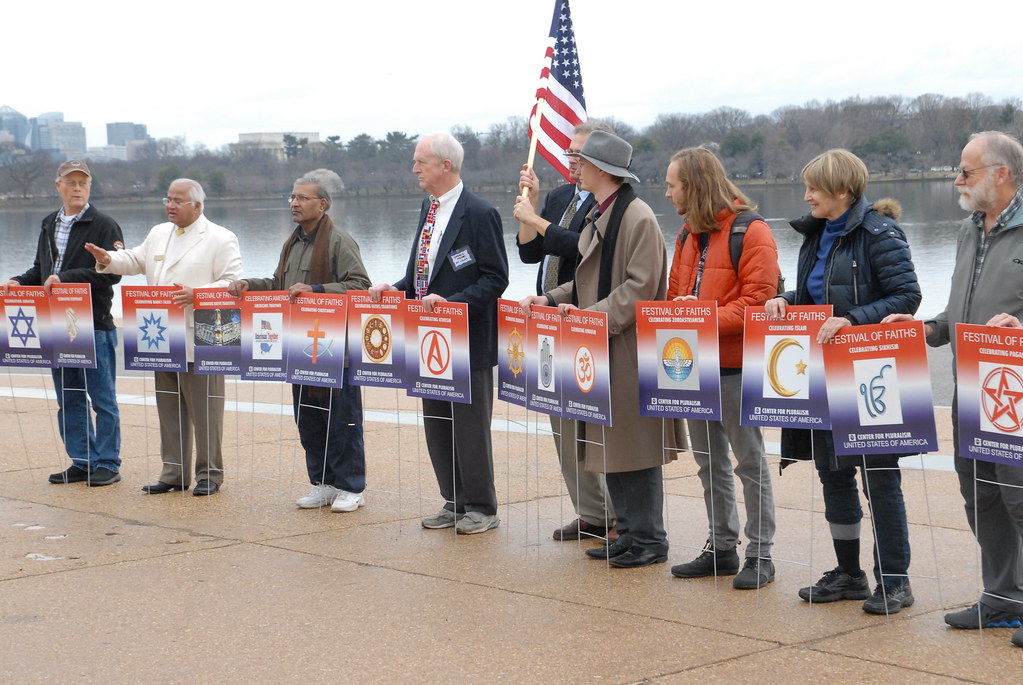
At the Center for Pluralism, we aim to develop ideas for establishing a Congressional Pluralism Caucus. We can find support from both Republican and Democratic members of Congress and Senators who believe in the importance of a unified America.
America is already a great nation. Together, let us make it even greater by leading the world through pluralism.
As we celebrate 250 years of independence, may America’s next great contribution to humanity be a society where diversity is not merely tolerated, but embraced; where differences are not feared, but understood; and where every person has the opportunity to belong while remaining true to who they are.
That is the promise of pluralism.
That is America’s opportunity.
And that can be America’s legacy for the next 250 years.
Video Speech on July 4th and Muslims
Muslim nations were the first to recognize the sovereignty of America
July 4th: Muslims have been an integral part of the United States since its inception. The Sultan of Morocco, Tipu Sultan of Mysore, and the Dutch King were the first three leaders to recognize the sovereignty of America. Read on, The Ghouse Diary
My videos for July 4th are here
About the Author
Dr. Mike Mohamed Ghouse is the President and founder of the Center for Pluralism and director of the World Muslim Congress. He is an Interfaith Wedding Officiant for InterfaithMarriages.org and a Muslim Wedding Officiant. He is a Muslim, Pluralist, activist, speaker, author, and social scientist. More on- Google
- Mr. Pluralist of America
- A Lamp That Connects Hearts — A Radiant Journey of Love, Thought, and Service
- Everything about Mike Mohamed Ghouse
Dr. Ghouse has officiated 625+ marriages across 99 ethnicities and 77 cities throughout America, Canada, Mexico, Europe, and worldwide virtual settings, reflecting one of the most diverse officiant experiences in the field. His ceremonies span Interfaith Marriages, Muslim Nikah, Nikah Plus, multicultural, destination, airplane, and virtual weddings, bringing together couples across faiths, cultures, races, and family traditions.
Through this work, he has helped couples navigate love, identity, family dynamics, and cultural differences with dignity, understanding, and a pluralistic approach to marriage.