Center for Pluralism

America at 250: Why Faith Leaders Must Heal Divisions and Renew National Unity

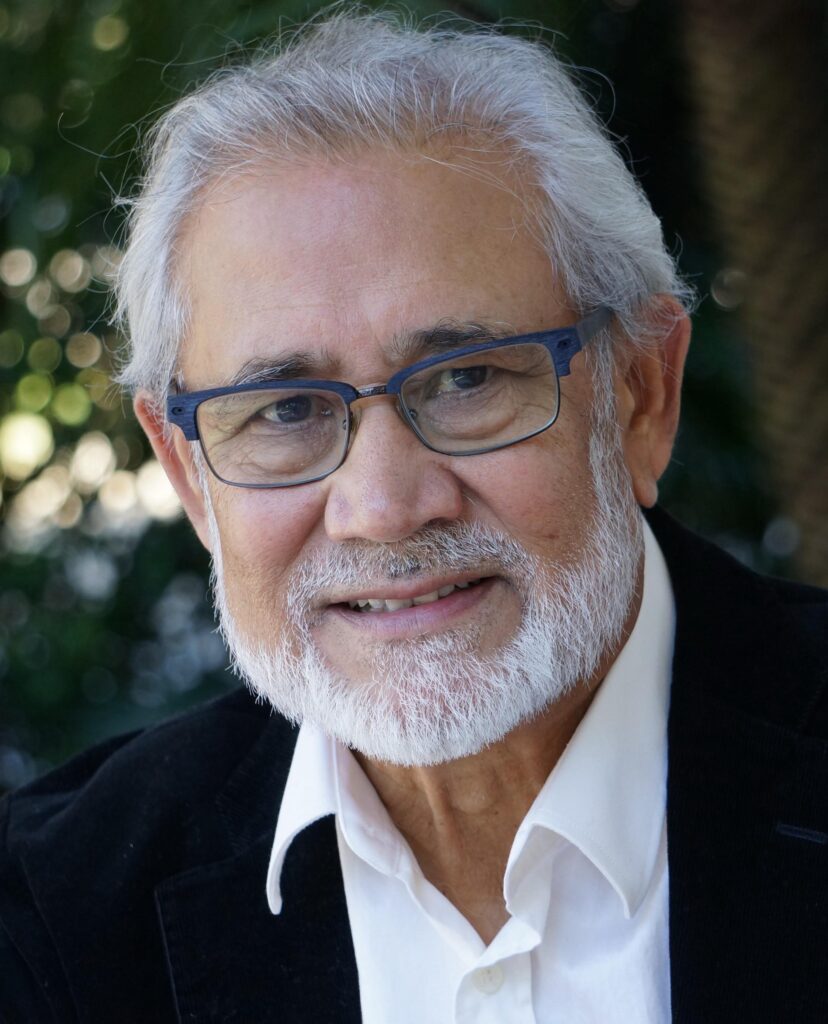
By Victor Ghalib Begg
Courtesy
Detroit News

As the United States approaches its 250th birthday on July 4, 2026, the nation faces a defining question: How do we celebrate this milestone at a time of deep division? At this historic moment, faith leaders heal divisions by guiding communities toward unity, dialogue, and shared responsibility.
This semiquincentennial should be more than a commemoration. It should become a time of reflection on whether America is truly living up to the ideals of equality, liberty, and justice outlined in the Declaration of Independence. While fireworks and ceremonies may mark the occasion, the deeper challenge lies in renewing the nation’s moral foundations.

At a time of growing polarization, faith leaders heal divisions by uplifting timeless values found across religious traditions: peace, justice, dignity, compassion, and care for neighbors. Their voices can help bridge political, racial, and cultural divides while encouraging civic engagement, pluralism, and a renewed commitment to one another.

The Role of Religious Leaders in a Divided Nation

Religious leaders have always played a central role during moments of national testing. Across churches, mosques, synagogues, temples, and other houses of worship, communities gather not only for prayer but for moral direction. In 2026, as America turns 250, that leadership is urgently needed again.

At their best, faith traditions teach:

  • Respect for every human being
  • Kindness toward strangers
  • Responsibility toward neighbors
  • Justice for the marginalized
  • Humility in public life
  • Peace over conflict

These teachings transcend political labels and speak directly to the needs of modern America. In this climate, faith leaders heal divisions by reminding citizens that democracy depends not only on laws, but on character.

Detroit as a Model of Interfaith Cooperation

The Detroit metropolitan area offers a compelling example of what unity can look like in practice. Known for its rich religious diversity, Detroit is home to strong interfaith networks that promote dialogue, trust, and mutual respect.

These efforts reflect two enduring American ideals:

  • One nation under God
  • E pluribus unumOut of many, one

Detroit’s faith communities demonstrate that people of different backgrounds can work together without losing their own identities. That is the essence of pluralism: unity without uniformity.

Pope Leo XIV and the Moral Call for Peace

Bob Bruttell of the Interfaith Leadership Council of Metro Detroit points to the moral leadership of Pope Leo XIV, who has called for peace and dialogue, not conflict.

The pope has also spoken about treating immigrants with dignity and humanity. His message reminds Americans that moral leadership is strongest when it defends the vulnerable and resists fear-driven division.

In a tense era, voices like his show how faith leaders heal divisions by centering compassion over hostility.

Frederick Douglass and America’s Unfinished Promise

Bruttell also invokes Frederick Douglass and his enduring question from the 1855 speech: “What to me is your Fourth of July?”

That challenge still resonates today. Many Americans continue to ask whether the nation has fully lived up to its promises of equality and justice.

Douglass reminds us that patriotism is not blind celebration. It is the courage to confront national shortcomings while still believing in progress.

Lincoln’s Gettysburg Vision Still Matters

Abraham Lincoln reframed the Civil War through the Gettysburg Address as a struggle for:

  • Equality
  • Democracy
  • National unity

Those ideals remain unfinished work. America’s 250th anniversary is a chance to recommit to them.

Religious Liberty as a Foundation of Unity

Rev. Daniel Buttry, a Baptist pastor and interfaith leader, highlights how evangelist John Leland urged James Madison to include protections for religious liberty in the First Amendment.

That principle remains essential today. Religious freedom for all protects society from two dangers:

  1. Division caused by favoritism
  2. Corruption of faith by political power

When every faith is protected equally, society becomes stronger and fairer.

Rabbi Lopatin and Liberty for All

Rabbi Asher Lopatin points to the biblical call in Leviticus 25:10 to “proclaim liberty throughout the land to all its inhabitants.”

This vision echoes America’s founding ideals. It affirms that all people are created equal and deserve dignity, opportunity, and rights.

He argues that faith communities must encourage civic participation and strengthen democratic commitment.

Islamic Teachings on Human Equality

Imam Steve Elturk references Quran 49:13, which teaches that humanity was created from a single origin — Adam and Eve.

This message directly resonates with the Declaration of Independence’s assertion that all people are created equal. America’s diversity can therefore be seen not as a weakness, but as a reflection of divine wisdom.

Faith250 and National Action

Encouragingly, initiatives such as Faith250 are already turning these values into action.

Thirty-two interreligious networks across the country have brought together 213 congregations to promote:

  • Dialogue
  • Civic engagement
  • Shared appreciation for founding documents
  • Community unity
  • Cross-faith cooperation

Programs like these prove that faith leaders heal divisions not only through speeches, but through practical collaboration.

The National Day of Prayer and America’s Future

These principles carry added significance as the nation observes National Day of Prayer in the lead-up to the 250th anniversary.

Moments like these can help Americans pause, reflect, and renew commitments to mutual respect and common purpose.

Why Faith Leaders Heal Divisions in 2026

At a time when division threatens to erode the nation’s social fabric, faith communities can serve as stewards of hope. They can help ensure that the Fourth of July in 2026 becomes more than a birthday party.

It can become:

  • A recommitment to democracy
  • A renewal of civic trust
  • A celebration of pluralism
  • A call to service
  • A bridge between communities
  • A shared vision for the future

If America is to thrive in its next 250 years, faith leaders heal divisions by helping citizens rediscover what binds them together.

Frequently Asked Questions

1. Why are faith leaders important during national division?

They provide moral guidance, encourage dialogue, and promote compassion, justice, and unity.

2. What does America’s 250th anniversary represent?

It marks 250 years since the Declaration of Independence and offers a moment to reflect on national ideals.

3. What is Faith250?

Faith250 is an interreligious initiative bringing congregations together for unity, civic engagement, and dialogue.

4. How does pluralism strengthen America?

Pluralism allows people of different beliefs to coexist peacefully while contributing to a shared society.

5. Why is religious liberty essential?

It protects equal rights for all faiths and prevents misuse of religion by political power.

6. How can local communities help heal division?

Through interfaith dialogue, volunteer service, respectful conversation, and civic participation.

Conclusion

As America approaches its semiquincentennial, the nation stands at a crossroads. It can allow division to deepen, or it can choose renewal. History shows that progress often begins when moral voices call people back to their highest ideals.

Now more than ever, faith leaders heal divisions by inspiring unity, protecting dignity, and reminding Americans that from many people, backgrounds, and beliefs, one nation can still emerge stronger together.

Victor Ghalib Begg is former chair of the Council of Islamic Organizations of Michigan and vice chair emeritus of Michigan Roundtable for Just Communities.

Scroll to Top