Introduction
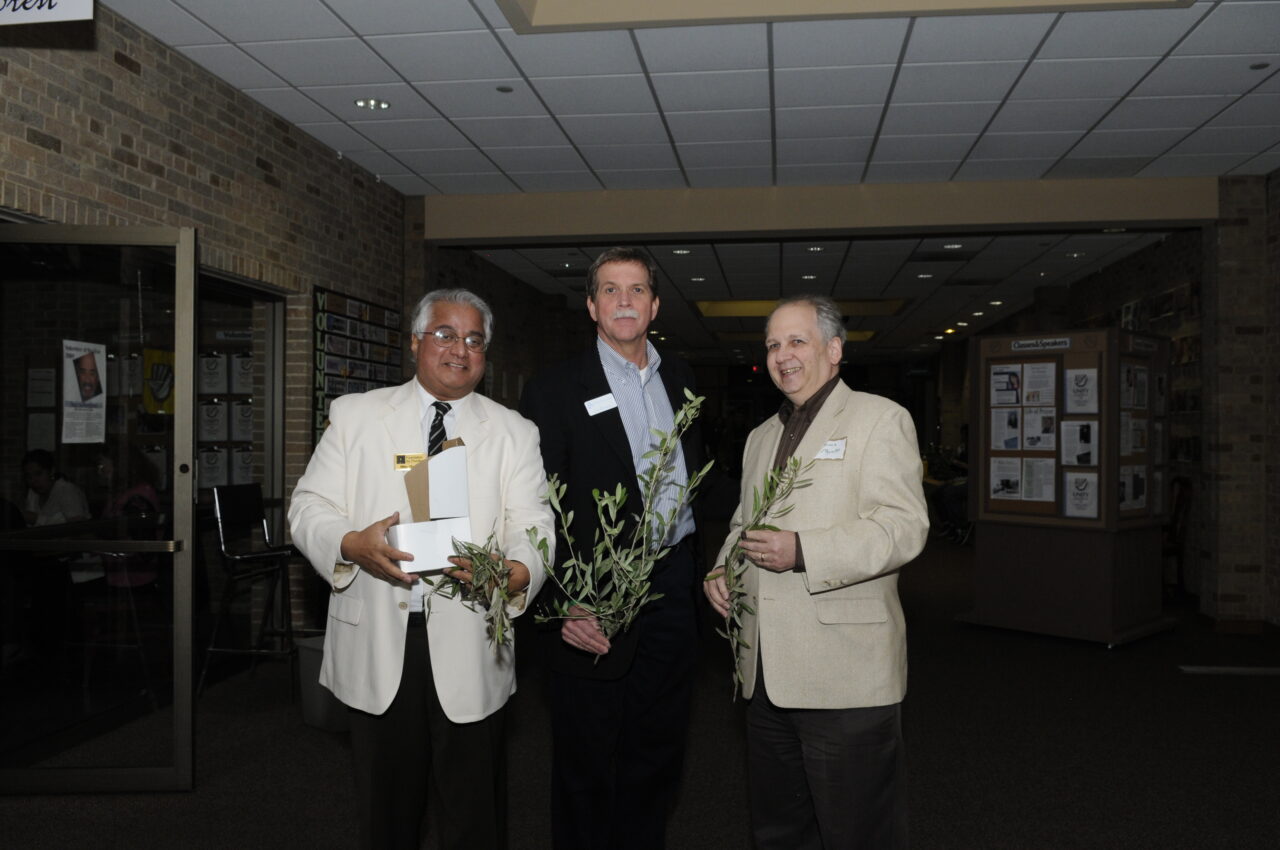
This year marks a significant and emotional moment—the 20th Annual Holocaust and Genocide Event is the first time in two decades that it will not be organized by the Center for Pluralism. While this event will continue next year, memories remain vivid. Random photographs from past years are being shared, with the acknowledgment that many images from earlier events still need to be added—a task hoped to be completed someday.
This event has never been merely ceremonial. It has always been an act of remembrance, education, and moral responsibility.
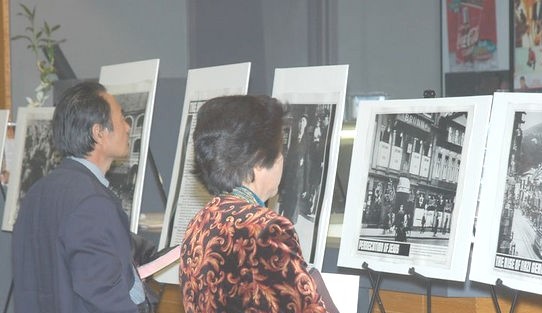
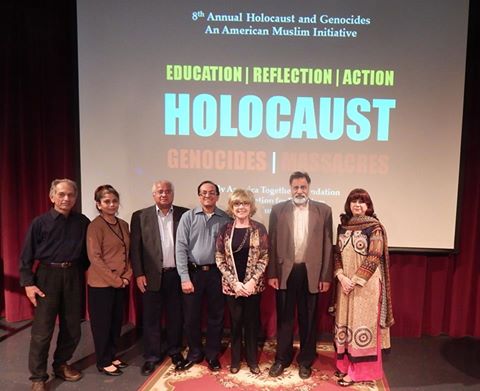
Inaugural Holocaust & Genocide Reflections Event, 2006
The beginning of a long-standing tradition of remembrance.
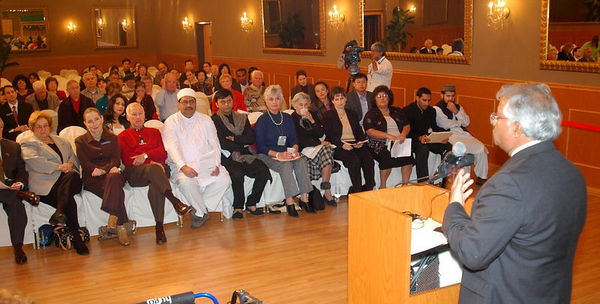
First commemoration of the Holocaust and Genocides in 2006
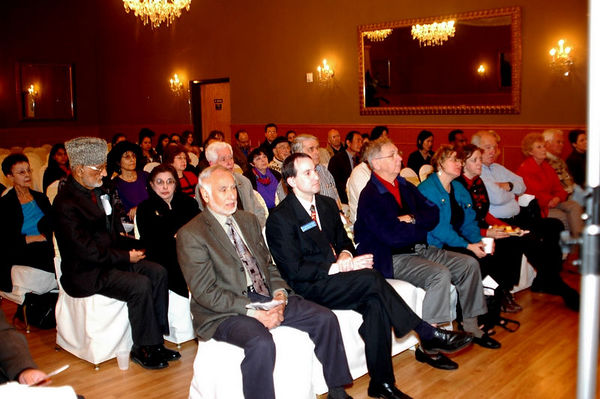
Friends from all religions, from Atheists to Zoroastrians, joined us in commemorating the Holocaust and Genocides in 2006.
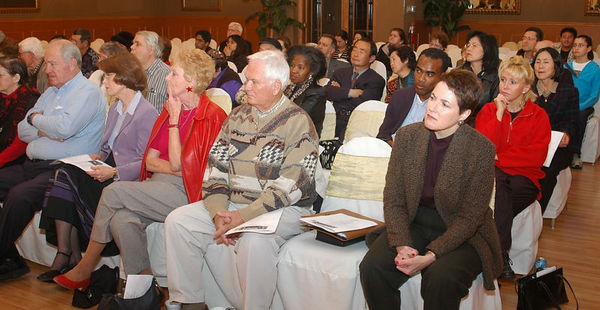
Friends from all religions, from Atheists to Zoroastrians, joined us in commemorating the Holocaust and Genocides in 2006.
A Tradition Rooted in Holocaust Remembrance
Each year, the event traditionally begins by focusing on the Holocaust, honoring the memory of six million Jews brutally murdered due to the abhorrent supremacist ideology of Adolf Hitler. The Holocaust continues to haunt humanity, not only because of its scale, but because of the painful, sadistic methods used to carry out genocide.
The Holocaust serves as a warning—one that humanity has repeatedly failed to heed.
Documenting Global Genocides and Mass Atrocities
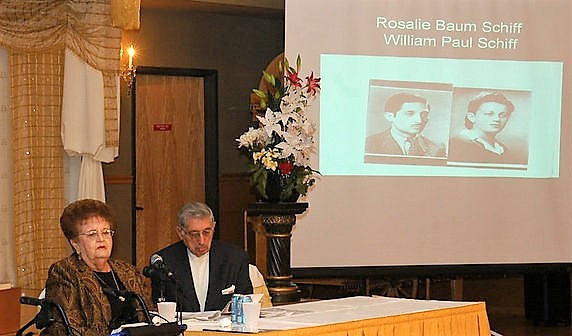
Following Holocaust remembrance, the event expands to include discussions of two genocide events and key massacres annually. Over the past two decades, more than 30 genocides have been covered, including:
- Native Americans
- Transatlantic Africans
- Sikhs
- Bangladeshis
- Bosnia
- Darfur
- Rwanda
- The Congo
In addition, major massacres and campaigns of persecution have been addressed, such as:
- Gaza
- Yemen
- Gujarat
- Rohingya
- Falun Dafa
The event has also highlighted sustained harassment and persecution faced by communities including Kashmiri Pandits, Indian Muslims, Indian Christians, and many others across the globe. A comprehensive list of all covered events is being compiled to preserve this historical record.
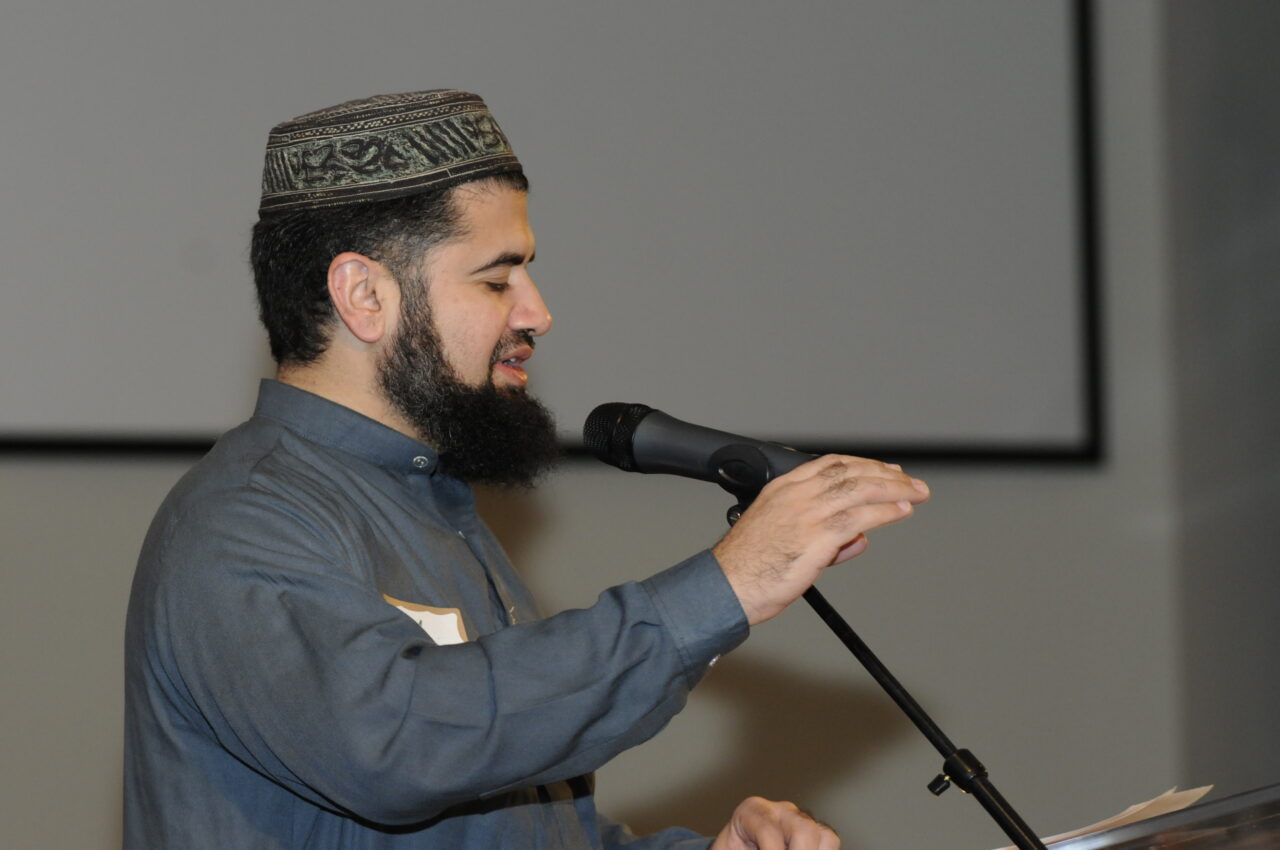
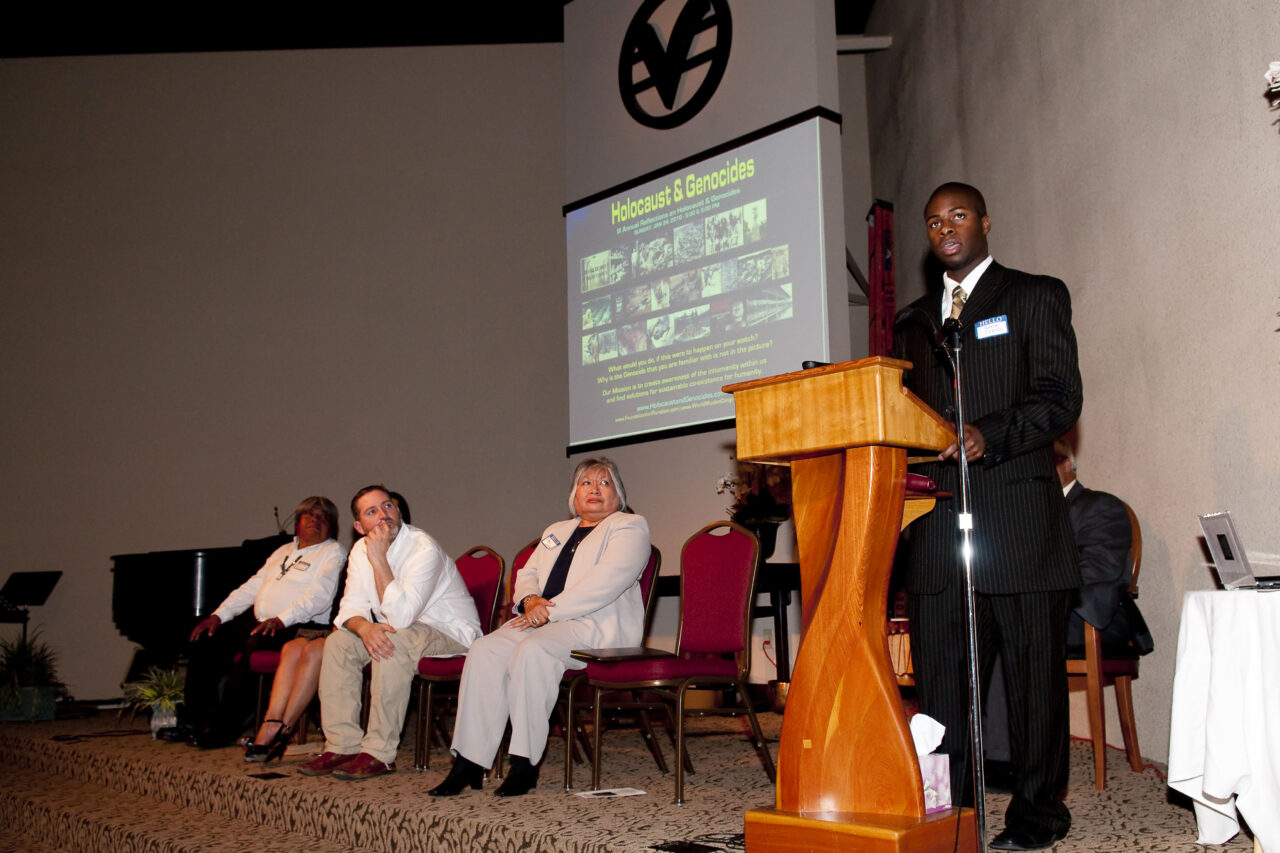
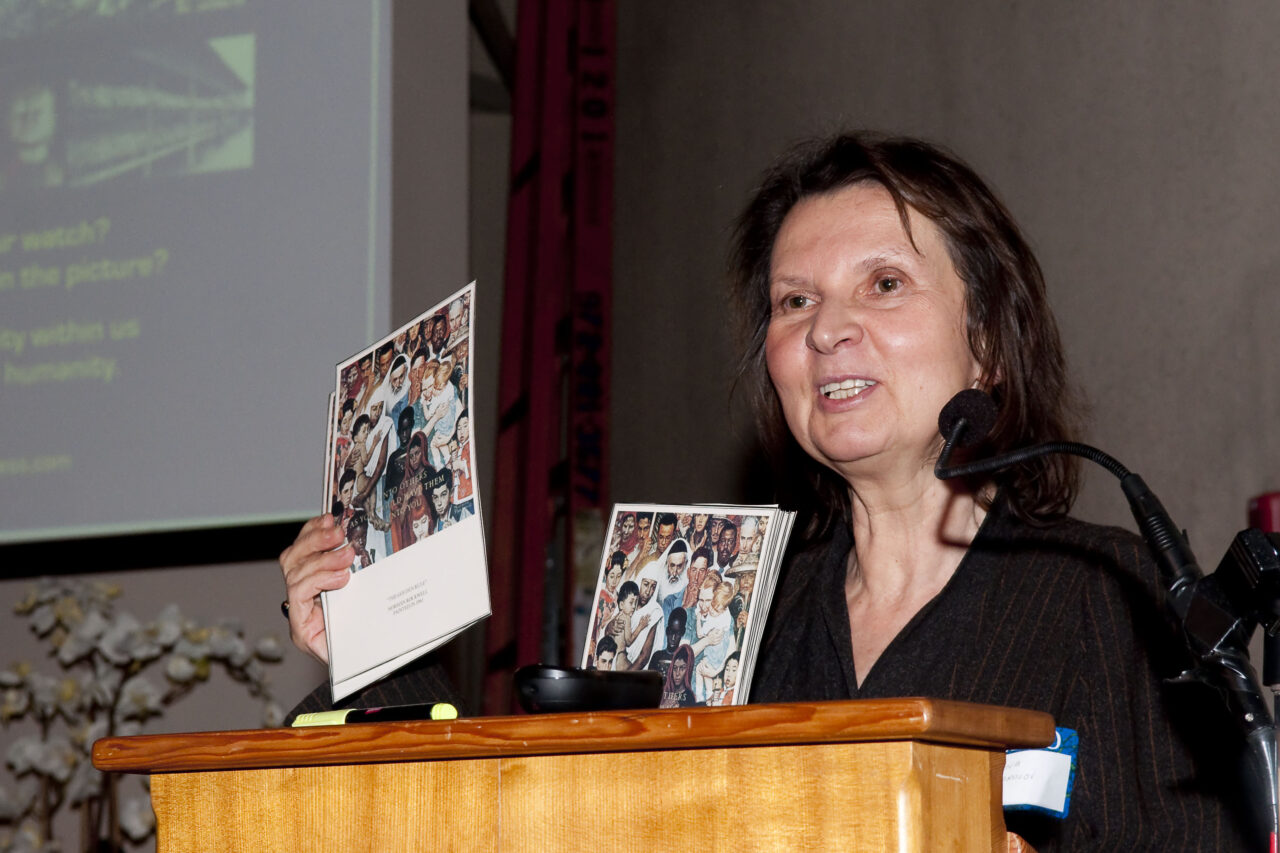
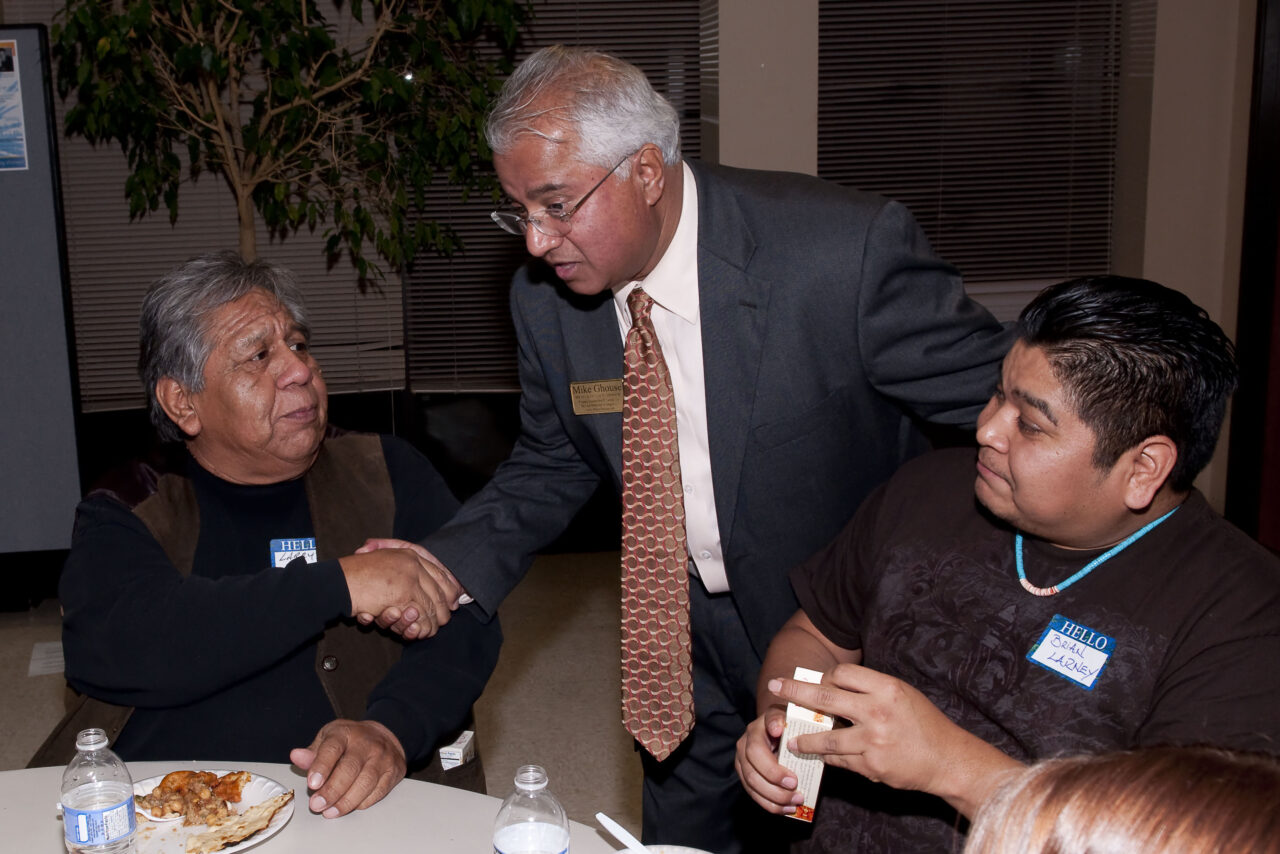
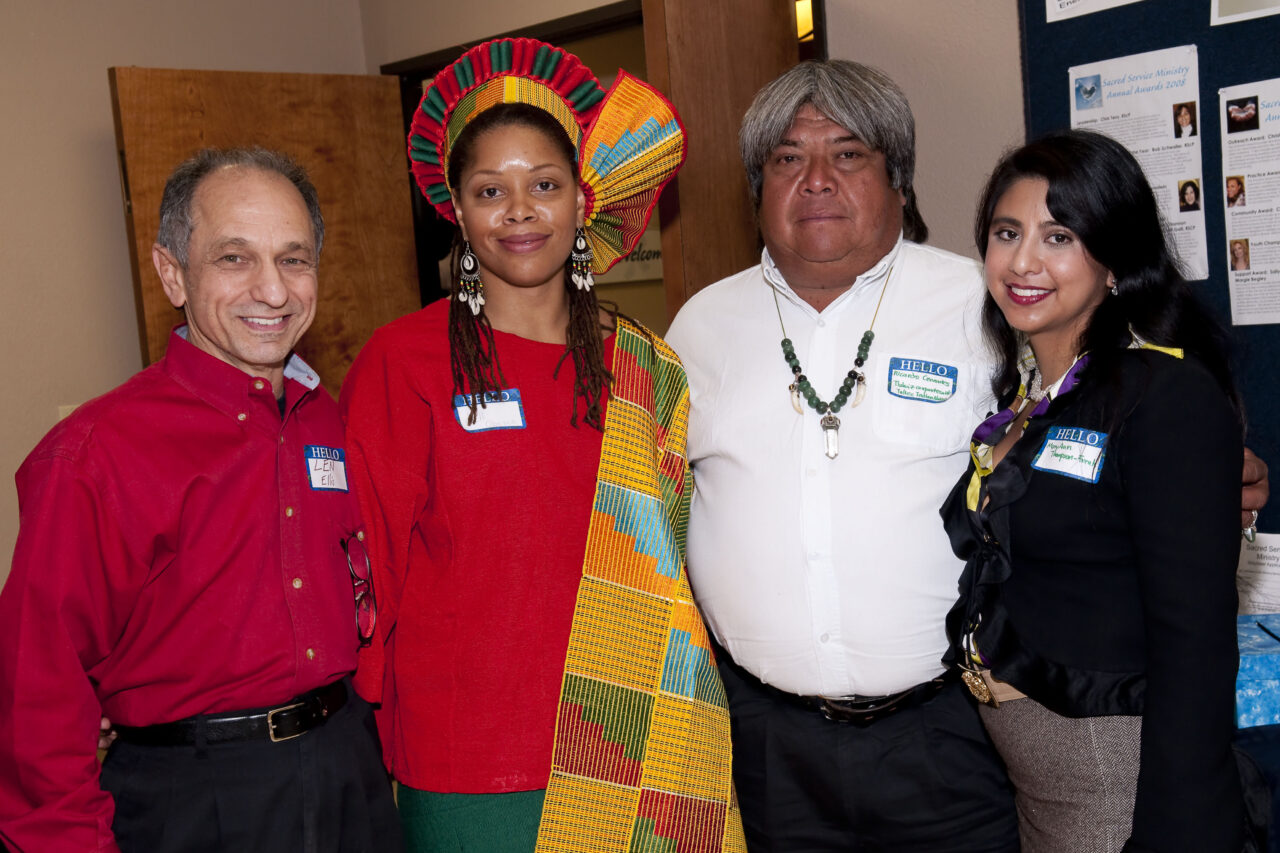
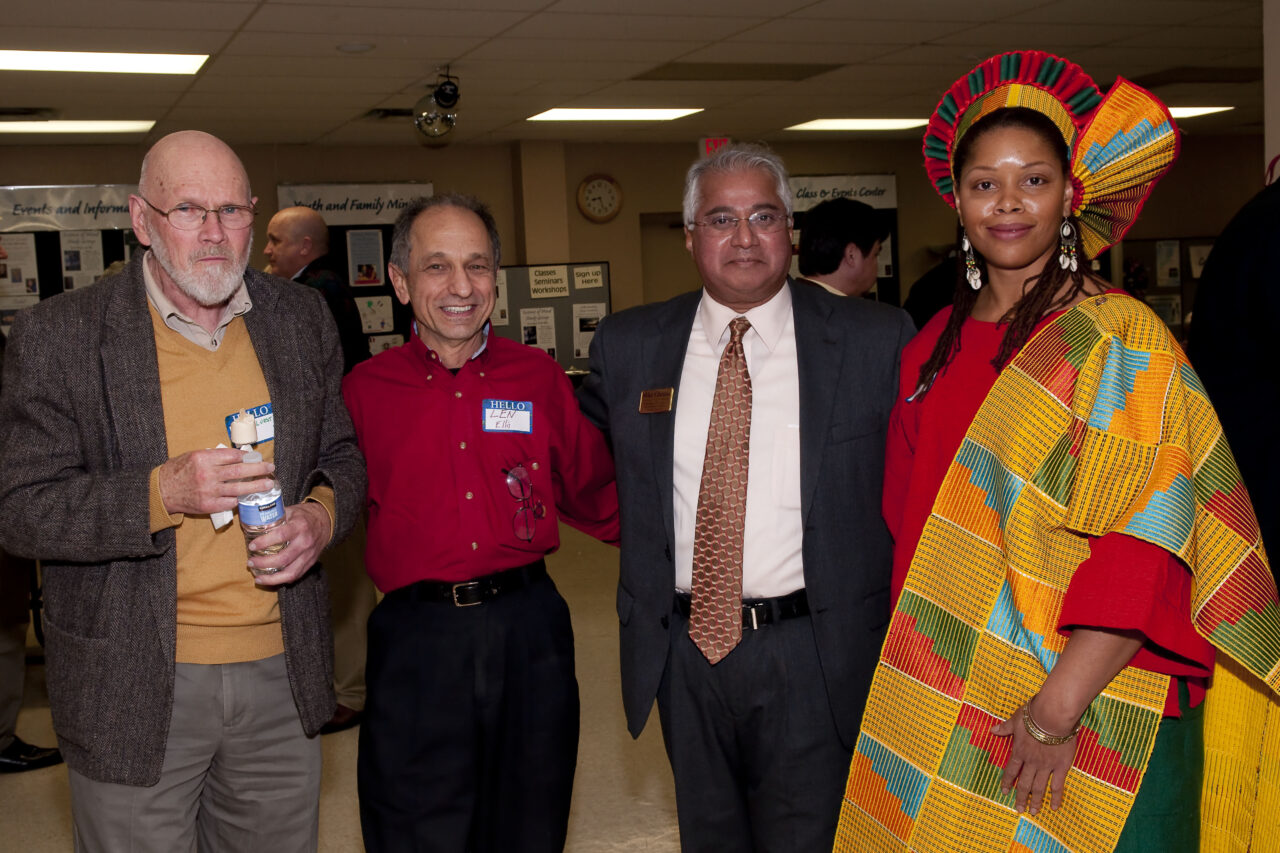
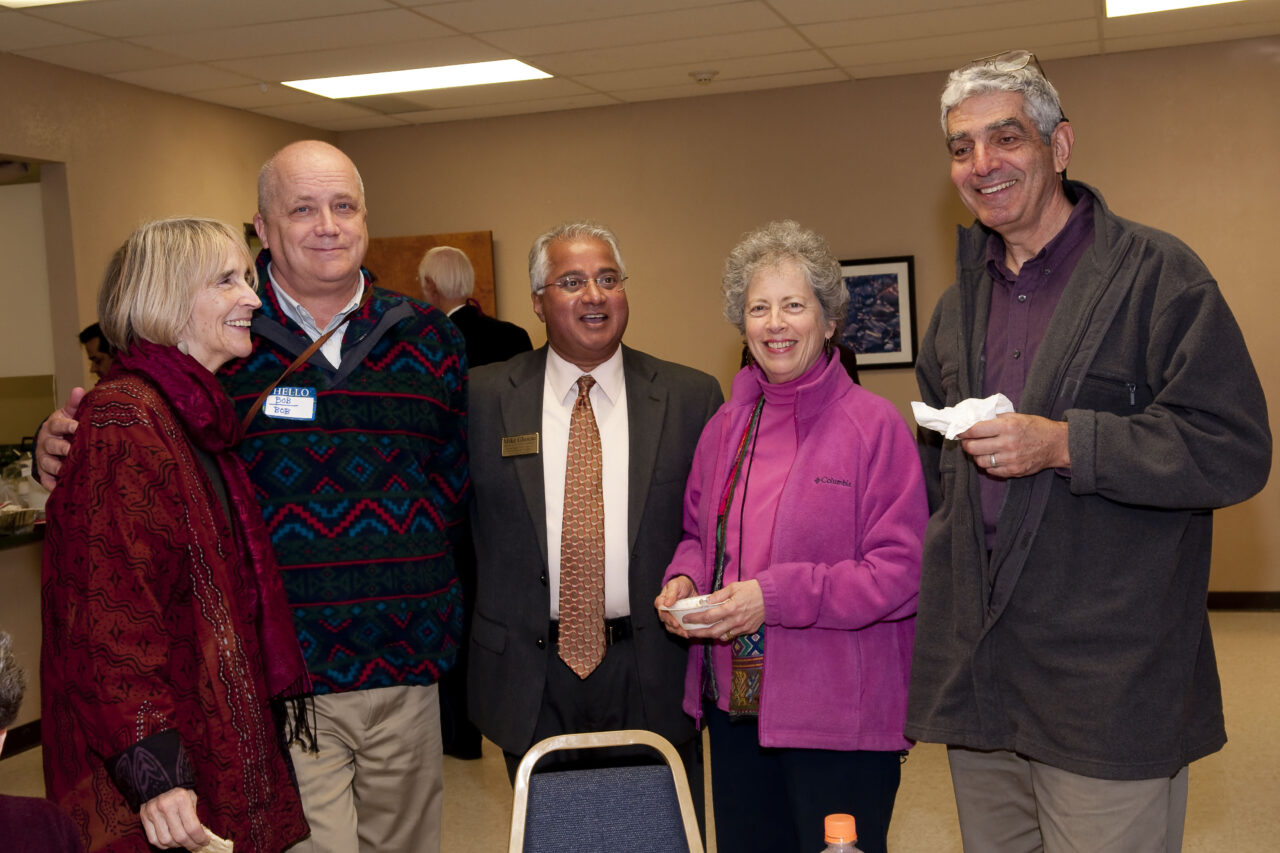
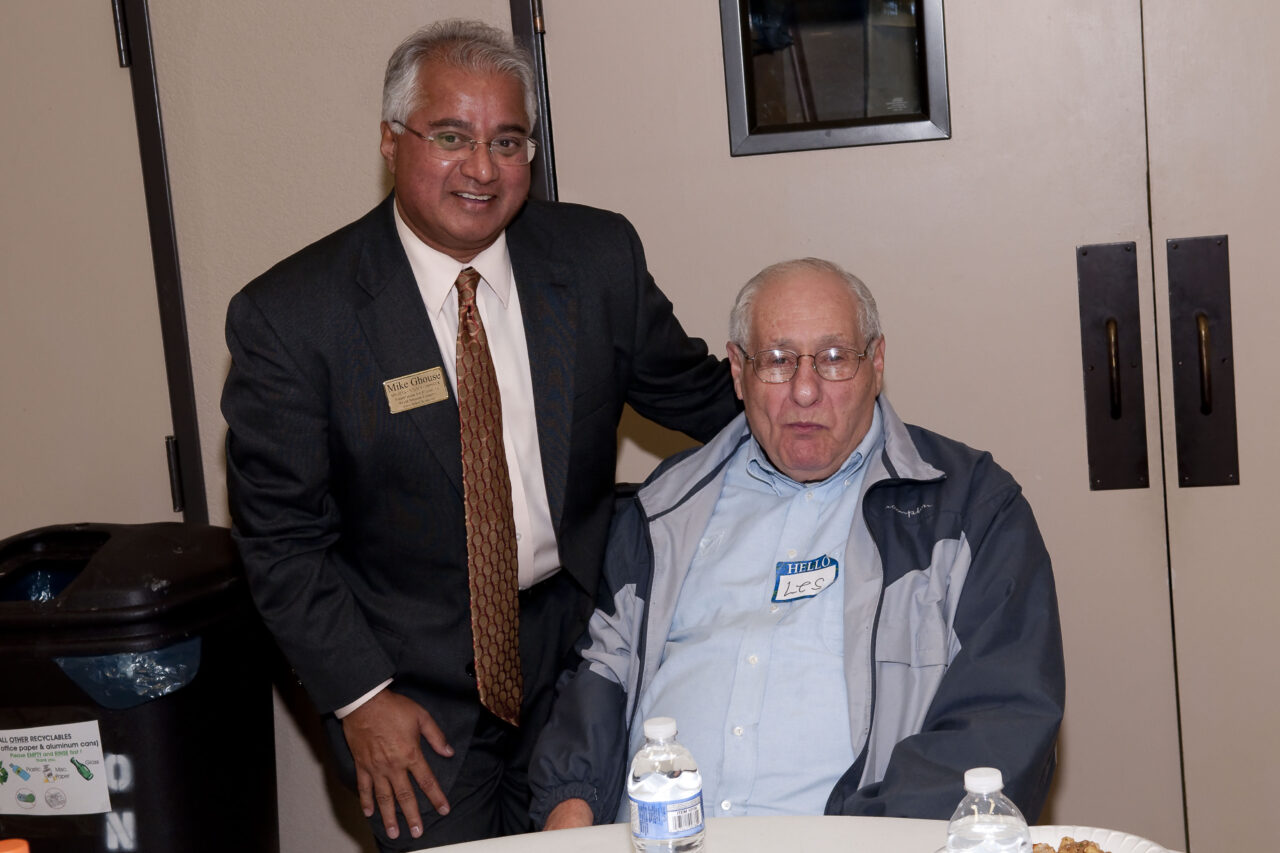
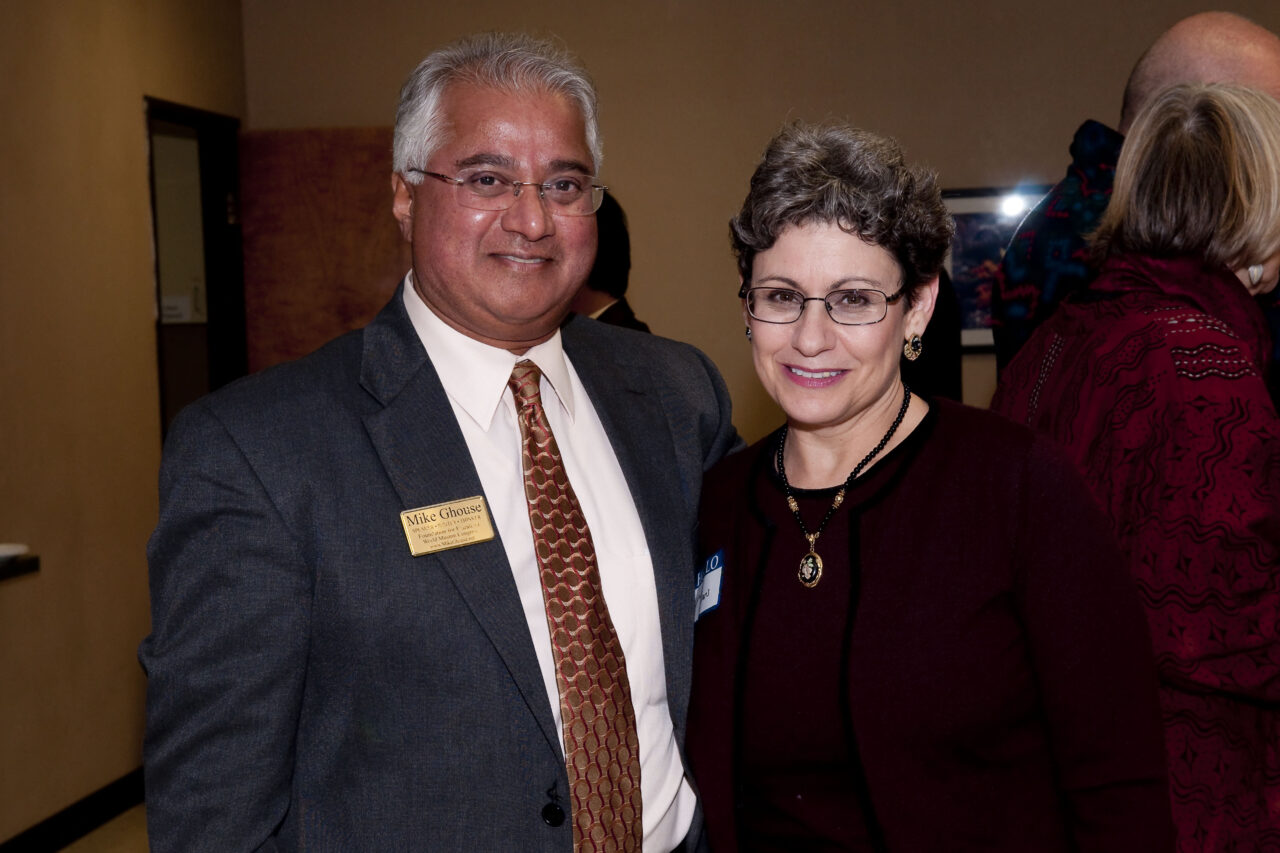
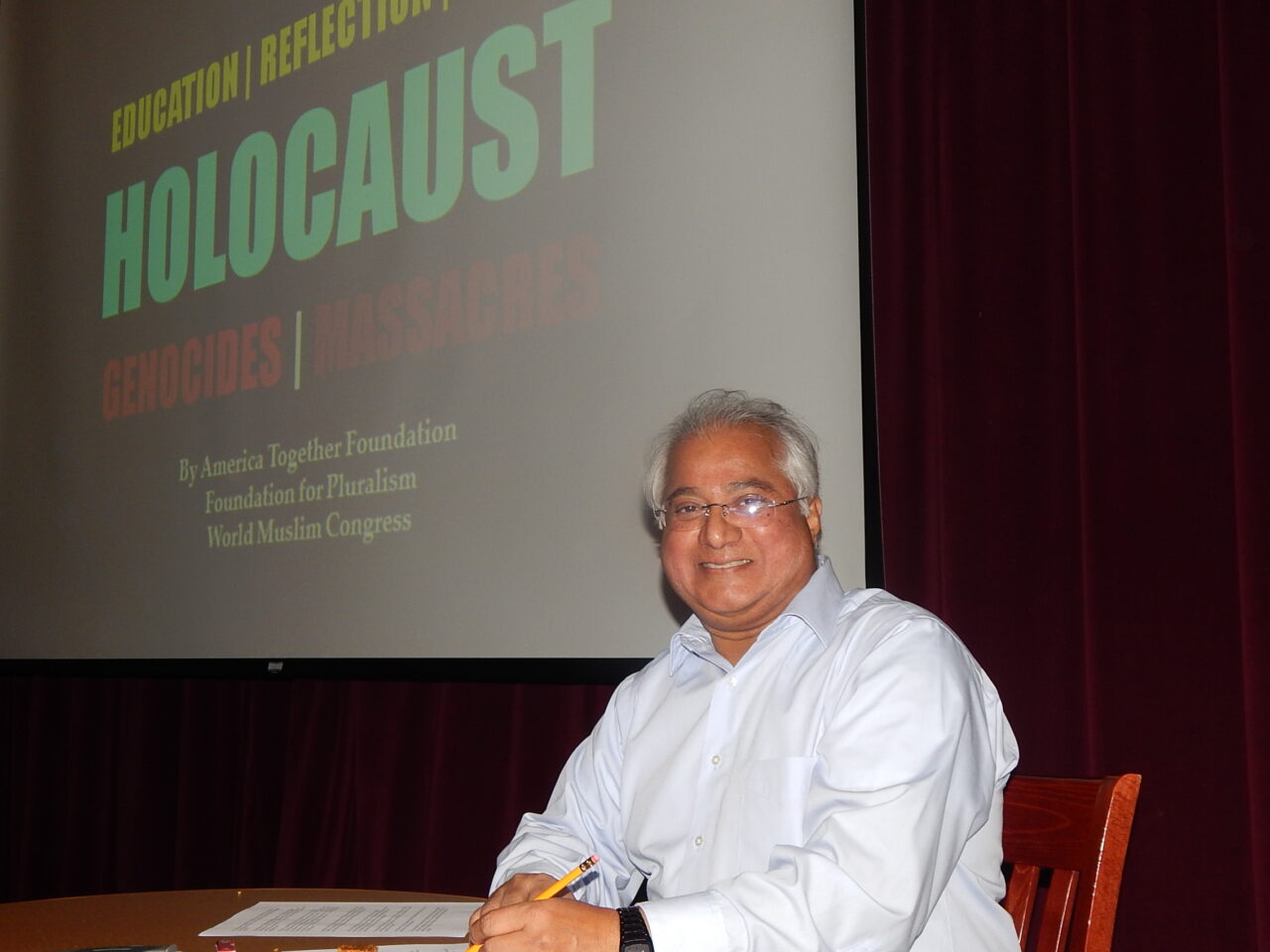
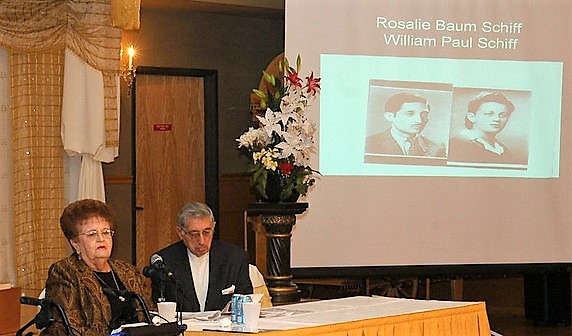
Through the Years: Holocaust & Genocide Reflections
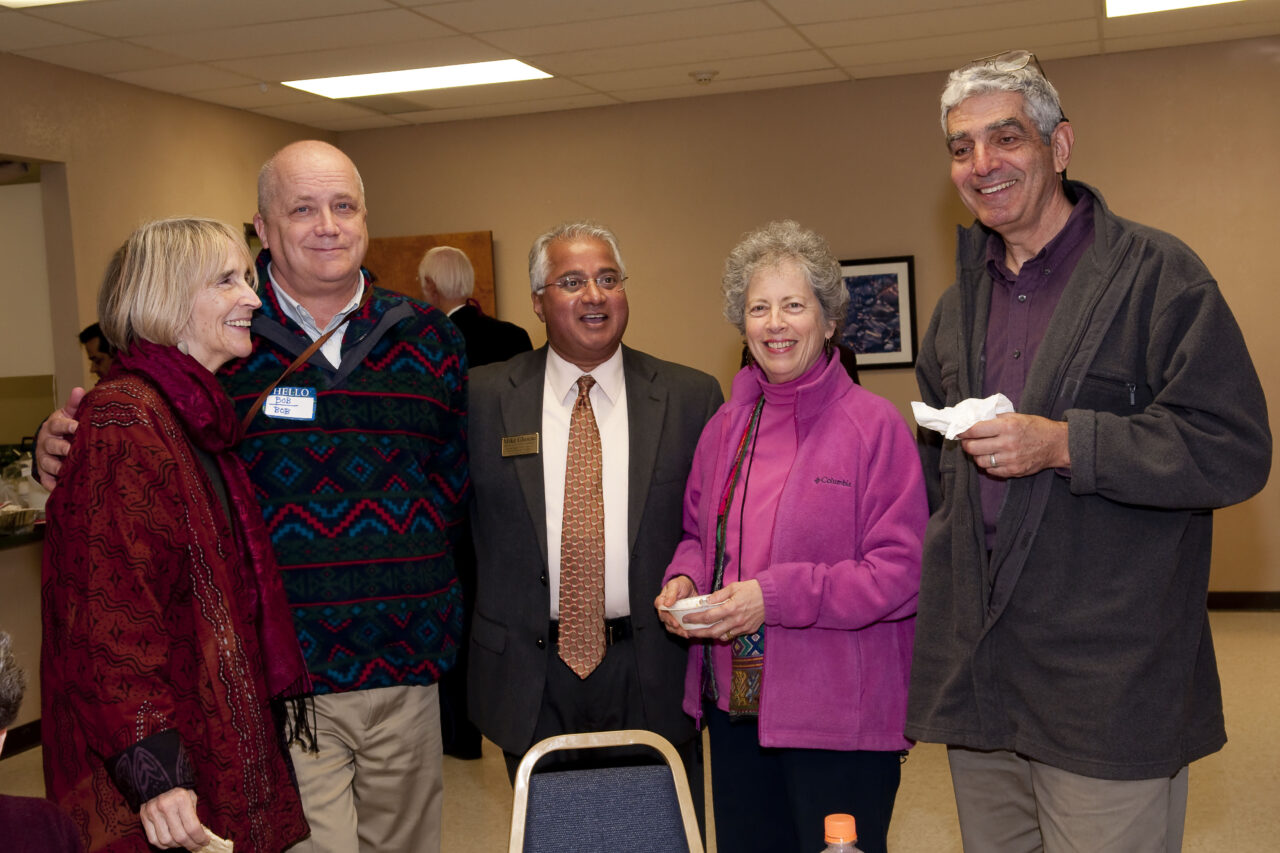
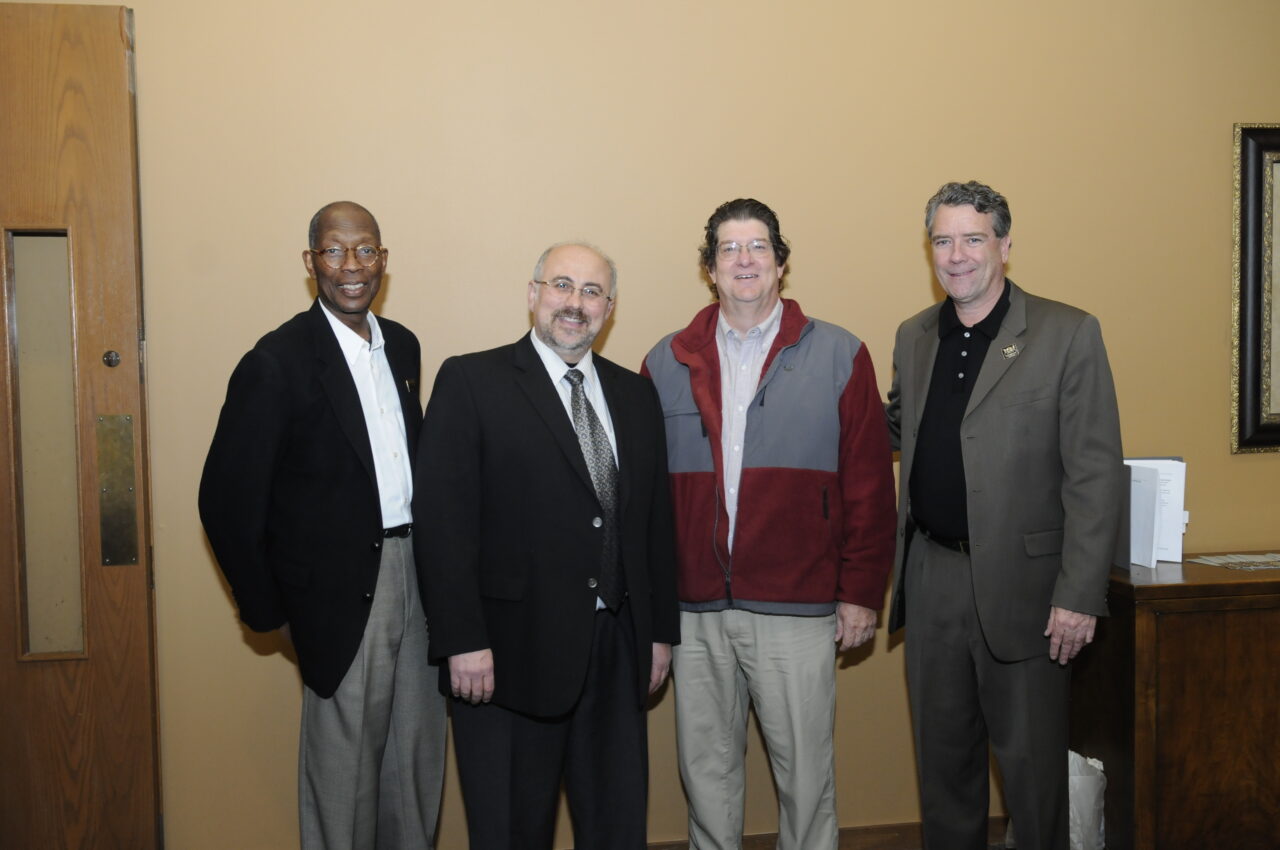
A visual collection of moments honoring memory, dialogue, and understanding.
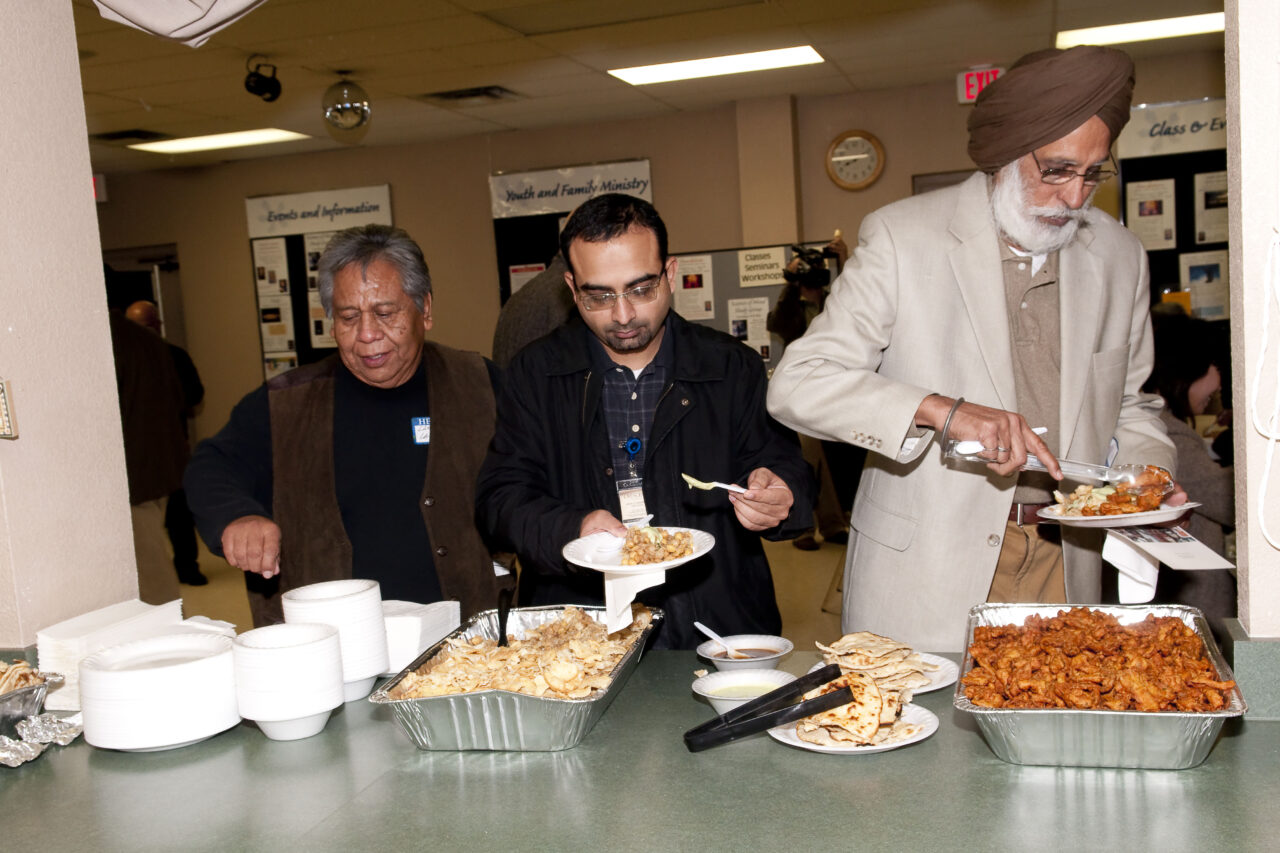
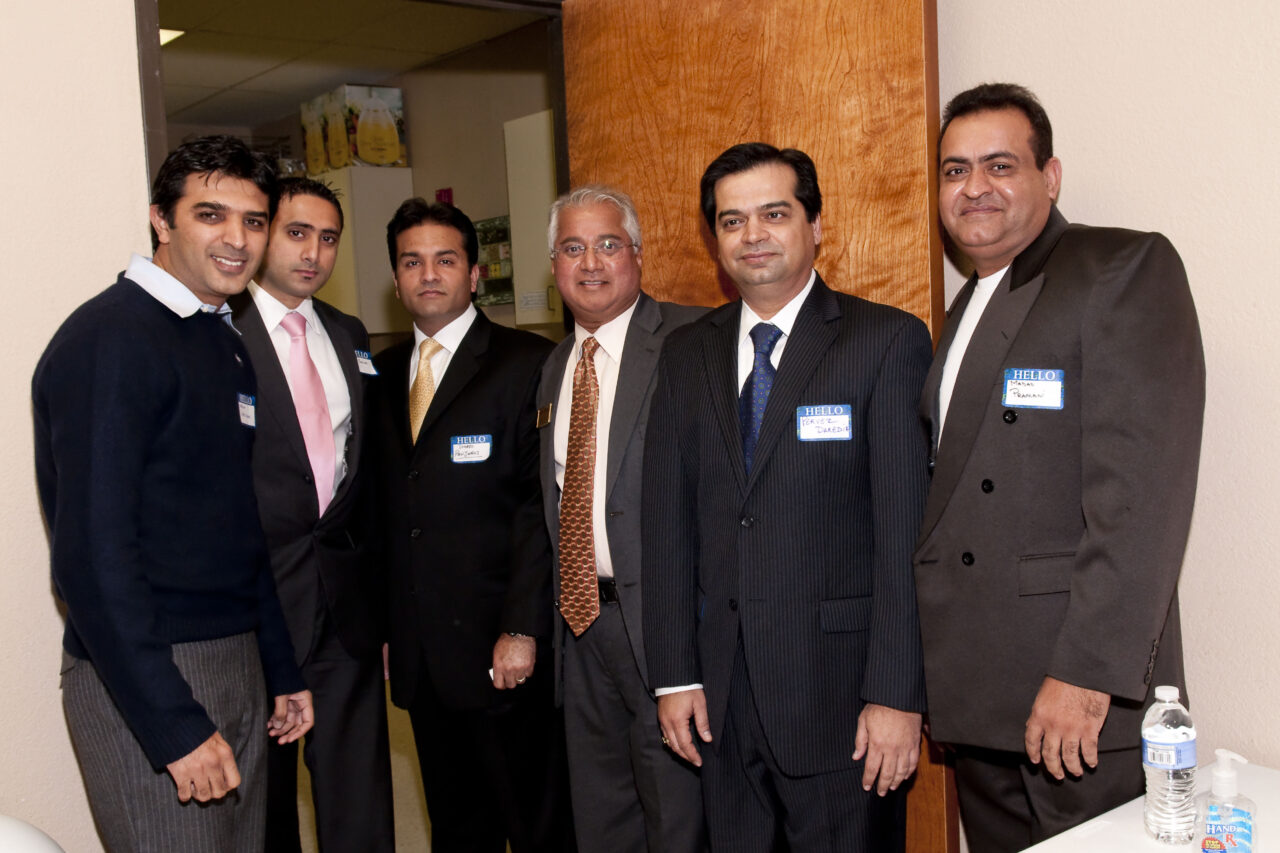
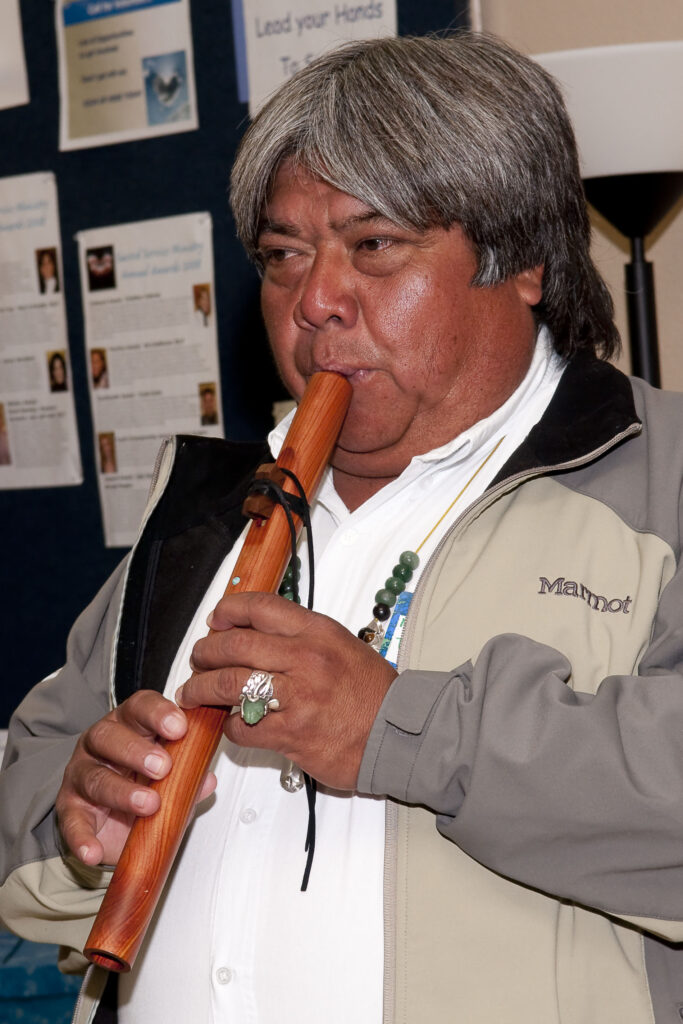
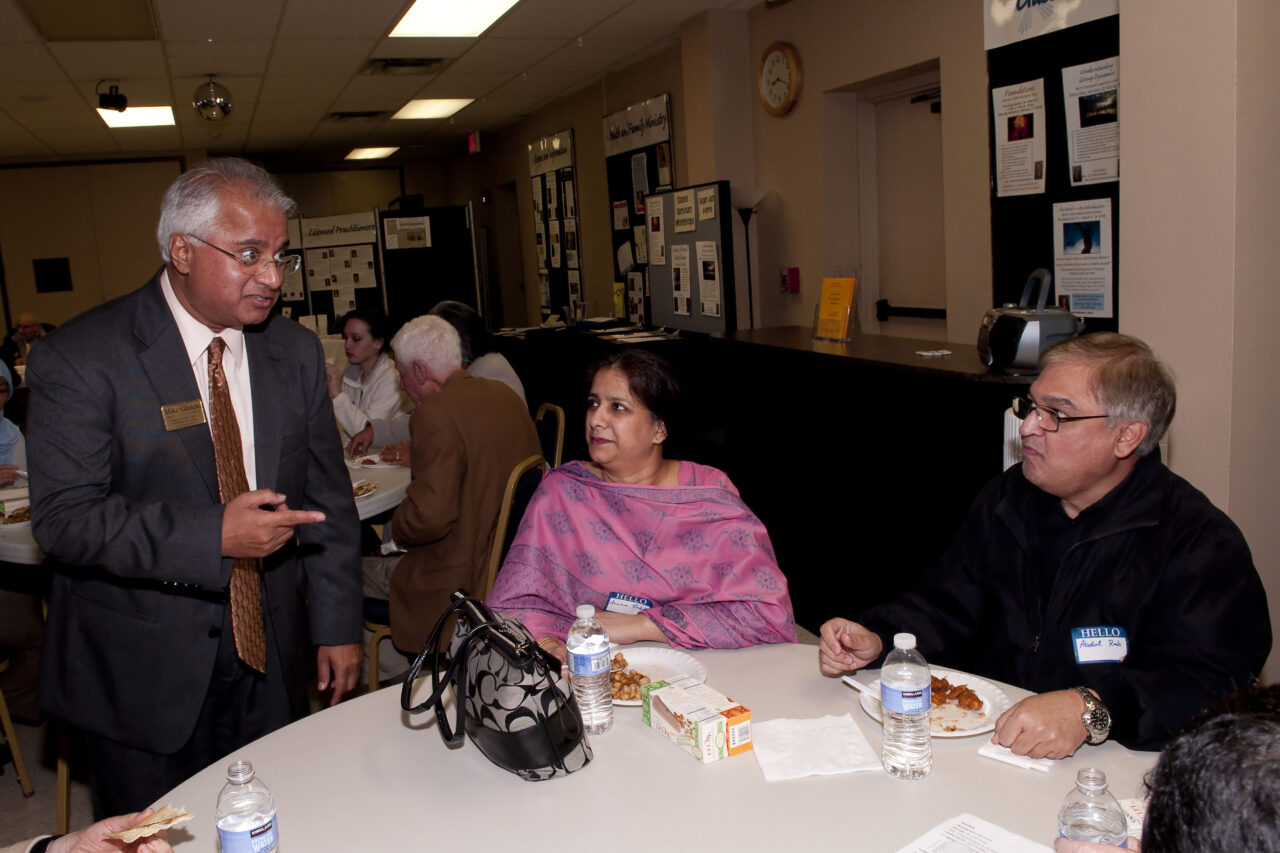
Genocide Is a Human Problem, Not a Jewish Problem
Every community—whether a minority or a marginalized majority—has experienced harassment, persecution, lynching, massacres, ethnic cleansing, or genocide. There are no exceptions.
If we ever fall into the dangerous belief that genocide is a “Jewish problem” rather than a human problem, then the real crisis lies within us. It becomes a call to cleanse our hearts and minds. Holocaust and genocide awareness must transcend identity, religion, and nationality.
Standing up for the rights of others is not charity—it is self-preservation. A world that protects one group ultimately becomes safer for all.
The Purpose: Education, Awareness, and Activism
The purpose of the Holocaust and Genocide Event has always been threefold:
- Education – learning the truth of historical and contemporary atrocities
- Acknowledgment – recognizing collective failures and moral silence
- Activism – committing to the promise of “Never Again”
If we do not stand up for the rights of others, we cannot reasonably expect anyone to stand up for us.
The Ongoing Genocide in Gaza
The ongoing genocide in Gaza is being ignored by much of the world’s leadership today—just as the Holocaust once was. Nearly 100,000 Palestinians have been ethnically cleansed, including approximately 20,000 children, many of whom have been mercilessly shot, including infants.
While global leadership remains silent, it is heartening to see individuals of conscience speaking out. Silence then enabled genocide; silence now risks repeating history.
The abhorrent supremacist attitude of Netanyahu must be confronted, just as Hitler’s ideology was confronted. No leader, ideology, or state is above moral accountability.
There Is No Justification for Killing Civilians
There is no justification—under any circumstances—for killing civilians. Violence against innocent people must be condemned unequivocally.
Even when individuals feel powerless, raising one’s voice matters. At the very least, speaking out allows us to cleanse our consciences and strive to live guilt-free lives.
Restoring Harmony Is a Sacred Duty
Restoring harmony in the world is not optional—it is a sacred duty. This event invites everyone, from Atheists to Zoroastrians, to participate and reconnect with shared humanity.
By acknowledging each other’s grief and participating in one another’s commemorations, we strengthen bonds rooted in empathy, understanding, and compassion.
Facing the Cruelty Within Ourselves
There exists a profound cruelty within human nature. Too often, we shy away from acknowledging the suffering of others—fearing that doing so may diminish our own pain or betray our struggles.
This tendency is not isolated. It exists in every community and every nation that has endured hardship. Confronting this truth is essential if humanity is ever to break the cycle of genocide and mass violence.
Conclusion: Never Again Is a Collective Responsibility
The Holocaust and the genocides that followed are not relics of history—they are warnings. Remembering them is not enough. Education, acknowledgment, and action must follow.
“Never Again” only has meaning if it applies to everyone.
Dr. Ghouse is the President and founder of the Center for Pluralism and director of the World Muslim Congress. He is an Interfaith Wedding Officiant for InterfaithMarriages.org and a Muslim Wedding Officiant. He is a Muslim, Pluralist, activist, speaker, author, and social scientist. More on Google