Ramadan Mubarak
God wants us to live in health, peace, and tranquility. He guides us through various means to achieve this; fasting is one of them.
Ramadan is not merely about abstaining from food and water. It is about restoring balance within ourselves and harmony among each other. As Ramadan 2026 approaches, millions of Muslims across the globe prepare for a month that disciplines the body, awakens the conscience, and softens the heart.
This article, Ramadan for Non-Muslims, is written especially for those who may not observe the fast but wish to understand its meaning.
Everything You Always Wanted to Know About Fasting
Whether you identify as an atheist, Baha’i, Buddhist, Christian, Hindu, Jain, Jewish, Native American, Confucian, Pagan, Shinto, Sikh, Wiccan, Zoroastrian, or follow any other tradition, you may feel a connection with the spirit of Ramadan.
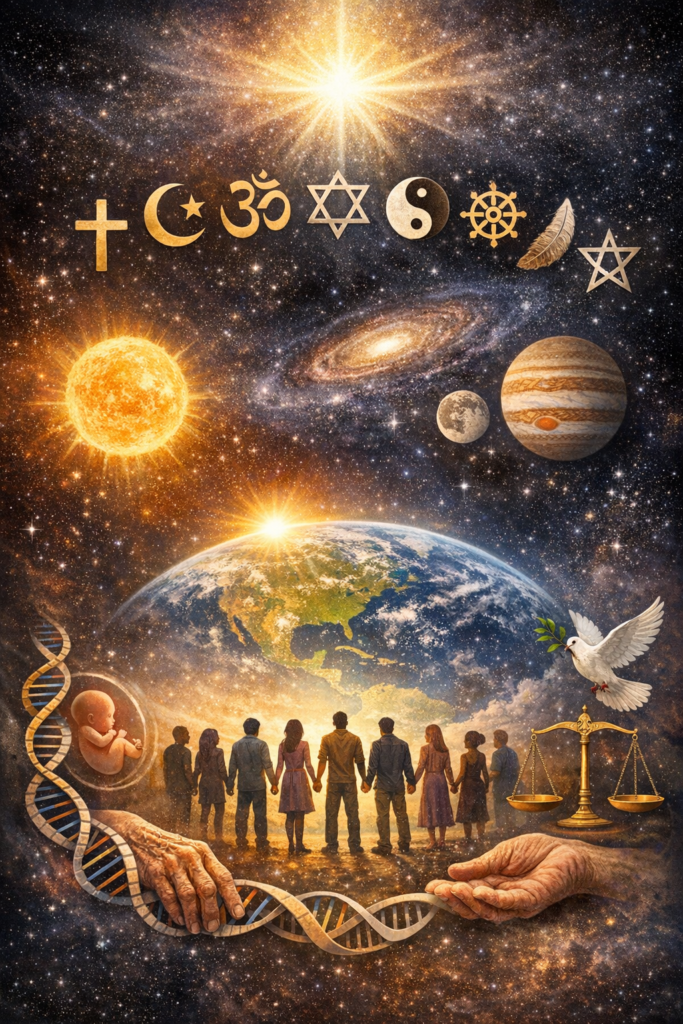
There is a cause — or a Creator — who brought the universe into existence, sustains it, and recycles it. The word for that Creator is God, expressed differently across languages and faiths. There cannot be multiple creators for the same universe. No matter what name you call upon Him — He is one. one cause of the creation of the universe.
When the universe came into being, two primary realities emerged: matter and life.
Matter functions precisely as designed. The sun rises faithfully. The earth rotates consistently. Jupiter, the moon, and the stars follow their course.
The physical journey of humans — from the union of sperm and egg to death — is also precisely programmed. There are no Christian genes, Jewish genes, Muslim genes, or Hindu genes. Biologically, we are one human family.
What is not pre-programmed is how we treat one another.
Our interactions can create harmony or conflict. We are given freedom, guidance (religion), and intelligence to build balance and live securely in relative peace.
Rituals Are Part of Every Religion
Identical spiritual wisdom often appears in different parts of the world simultaneously. A mother in the Amazon rainforest and a mother in Hollywood both instinctively know what to do when their baby cries. The child is hungry — it must be fed.
Beauty is in the eye of the beholder. Faith is in the heart of the believer.
Religion is like a mother — dear to each one of us.
Religions were established to create cohesive societies where every member feels secure about their faith, race, ethnicity, culture, and uniqueness. Religion is rarely the problem. The individual who fails to understand their religion is often the problem.
Ramadan is one of Islam’s spiritual training grounds.
Ramadan in the Life of a Muslim
The 9th Month and the Moon Sighting
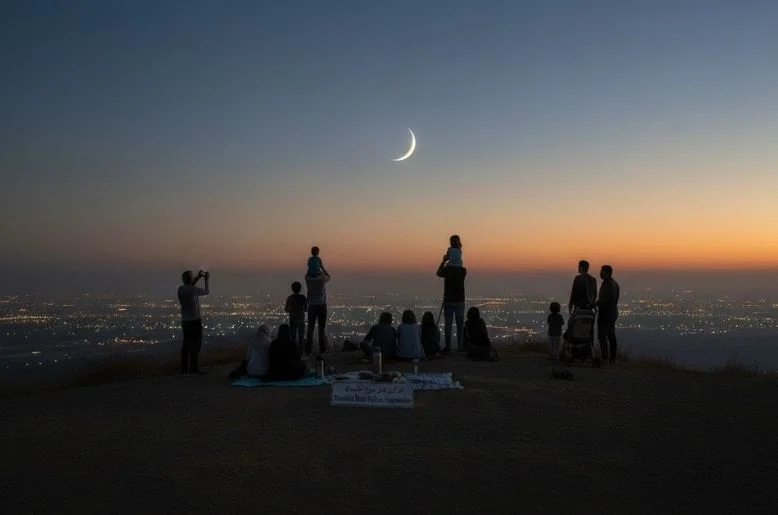
Ramadan is the ninth month of the Islamic lunar calendar. It begins with the sighting of the new moon.
And yes — here comes the politics of Ramadan.
One group insists they must physically sight the moon. Another accepts astronomical calculations. In the United States, many Muslims follow NASA’s calendar so they can plan ahead.
Yet there is joy in waiting for that pencil-thin crescent.
Parents lift children onto their shoulders. Families gather outdoors. Eyes scan the sky. When the announcement comes, excitement spreads.
In South Asia, the celebratory evening is called Chandni Raat. People rush to markets to shop — similar to the energy before Christmas, Rosh Hashanah, Diwali, or Dussehra.
A Typical Day During Ramadan
4:00 AM – Suhoor (Sahri)
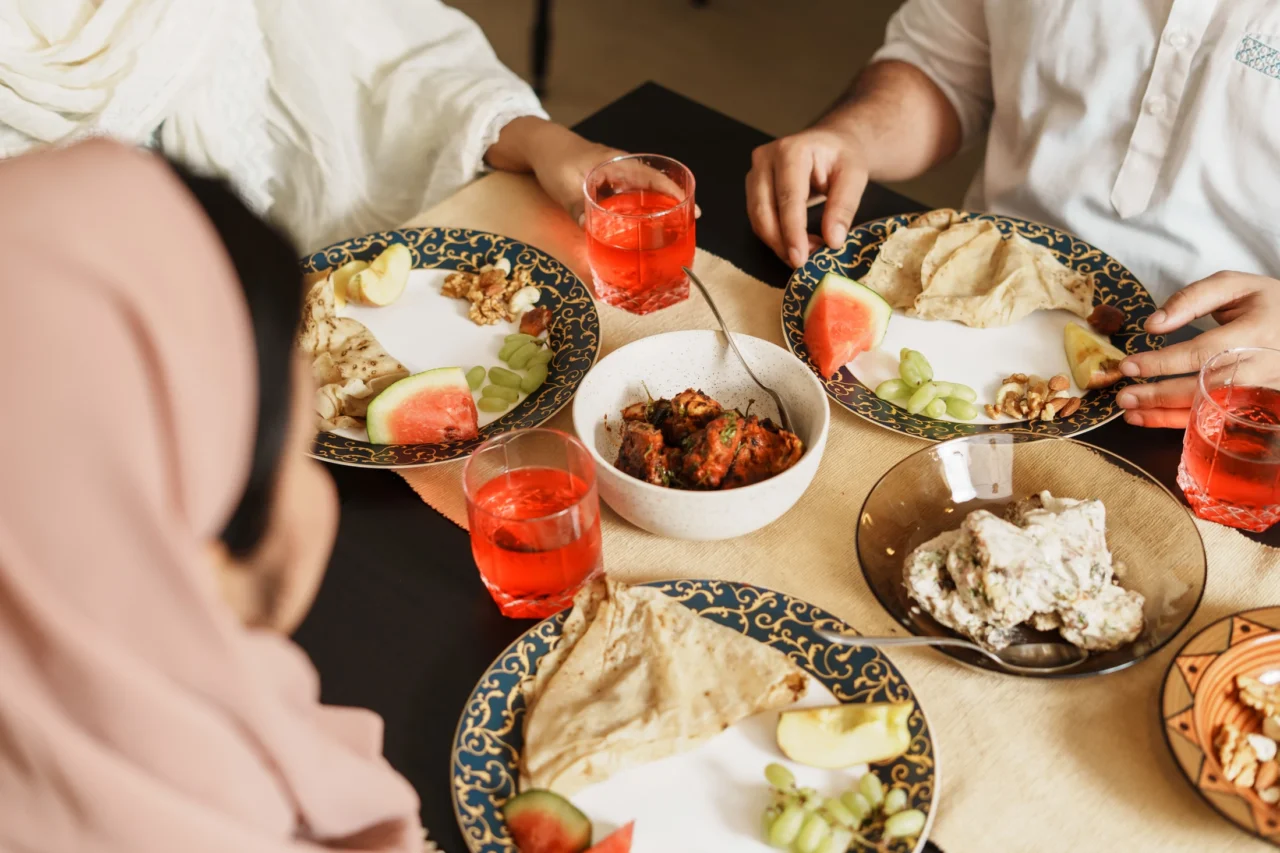
The family wakes before dawn to prepare the pre-fast meal.
In my family, it was teamwork. I chopped onions. My sister flattened dough for rotis. One brother washed dishes. The others talked. My mother sat by the stove (chula), and my father ensured all ingredients were ready.
It was not just food preparation — it was bonding.
We ate rotis, vegetables, keema (minced meat), tea, or lassi. About 30 minutes before sunrise, we stopped eating and prayed for acceptance of the fast.
5:30 AM – Fajr Prayer
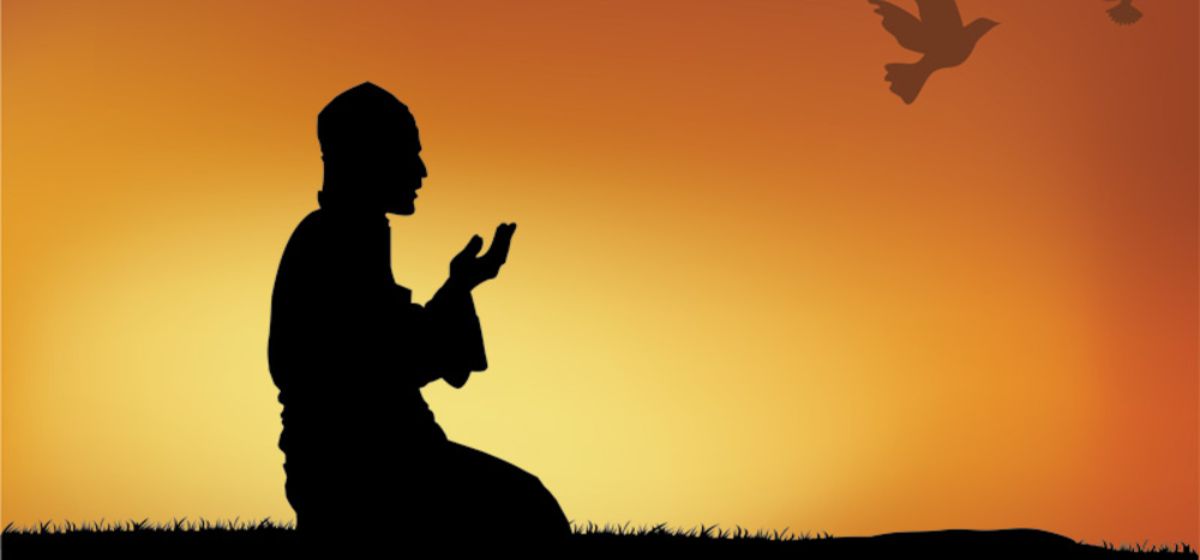
We prayed together at home or at the mosque.
6:00 AM – Reflection and Work
Some return to sleep briefly. Others attend study circles called Halaqa. Then the workday begins.
Ramadan does not stop life; it deepens it.
1:30 PM – Dhuhr and Asr
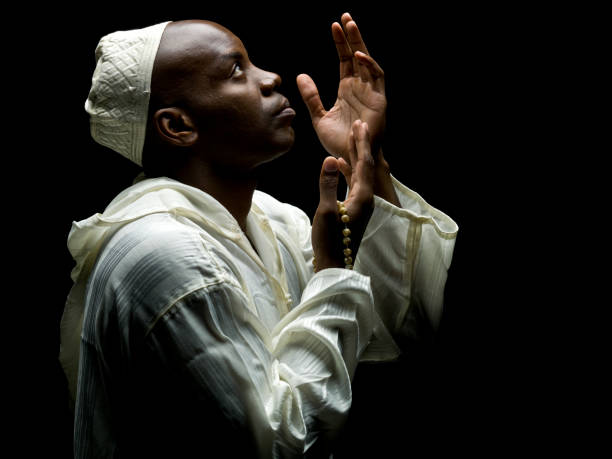
The midday prayer (Dhuhr) is followed later by the late afternoon prayer (Asr).
Some pray individually; others gather in congregation. Shia Muslims (including Bohra) often combine the prayers. Sunnis and Ahmadis typically pray them separately.
The rhythm of Ramadan revolves around mindfulness and community.
Iftar – Breaking the Fast
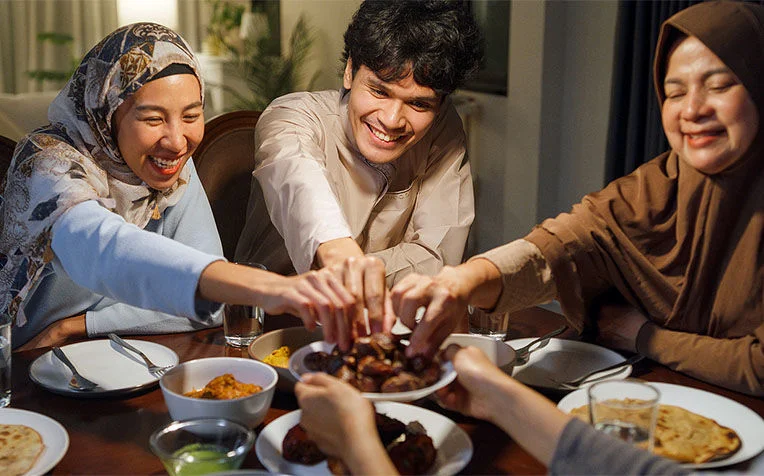
At sunset, the call to prayer (Azan – aka Adhan) echoes.
After abstaining from food, water, ill speech, ill thoughts, and temptations, Muslims break their fast.
Most begin with dates and water. Sunnis and Ahmadis usually eat before Maghrib prayer. Shias often wait until after prayer.
Observers begin lightly — fruits and small portions — allowing the stomach to adjust before a full meal.
Fasting teaches discipline. It helps procrastinators focus, smokers resist, and anyone battling addictions develop restraint.
Iftar Parties – Community Building
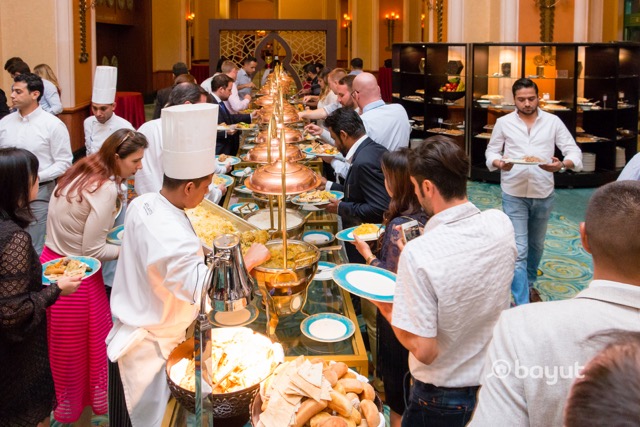
Muslims invite non-Muslim friends to Iftar gatherings.
These events build bridges.
In one mosque, you may find Muslims from 20 to 30 countries. The food reflects that diversity — biryani, naan, korma, keema, Rooh Afza, sweet lassi, mango lassi, gulab jamun, and the universal vermicelli dessert known as Seviyaan or Shir Khurma.
Presidents Bill Clinton and Barack Obama hosted White House Iftars. It symbolized inclusion and mutual respect.
Taraweeh – Special Night Prayers
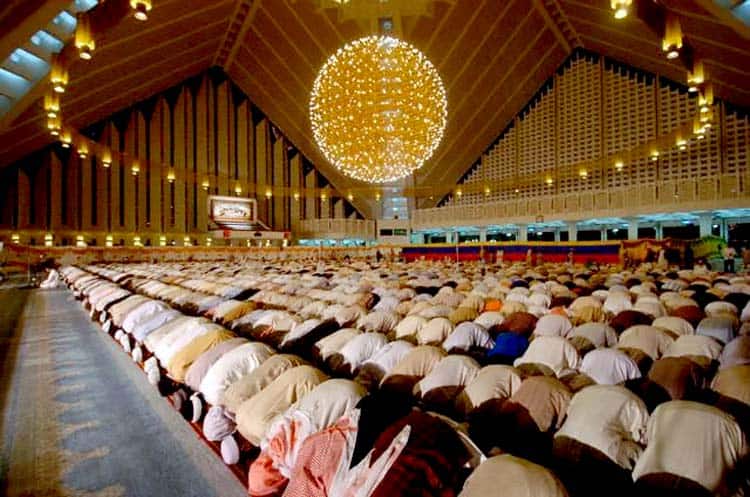
After Isha (night prayer), Muslims perform special Ramadan prayers called Taraweeh.
These are typically prayed in congregation at the mosque. Generally, 8 to 22 units are offered, though some pray fewer.
Over 29 or 30 days, the entire Qur’an — divided into 30 sections — is recited.
Taraweeh is physically demanding yet spiritually uplifting. It deepens one’s connection to scripture and strengthens community bonds.
Laylat al-Qadr – The Night of Power
During the last ten nights comes Laylat al-Qadr.
It commemorates the first revelation of the Qur’an. Shia Muslims emphasize the 19th, 21st, and 23rd nights. Sunnis and Ahmadis focus on the odd-numbered nights of the final ten.
Worship on this night is believed to be greater than a thousand months.
The Last Day of Ramadan
On the 28th and 29th nights, people look once again for the crescent moon.
When sighted, celebrations begin.
Chand Raat returns. Mehendi (henna) is painted on hands. New clothes are prepared. It resembles the excitement before major global holidays in different religions.
Zakat – Giving 2.5%
Every eligible Muslim gives 2.5% of accumulated wealth to those in need.
Some pay early. Others wait until the last day — much like filing taxes before April 15th.
Zakat is one of the five pillars of Islam. It purifies wealth and promotes social justice.
Eid – The Grand Celebration
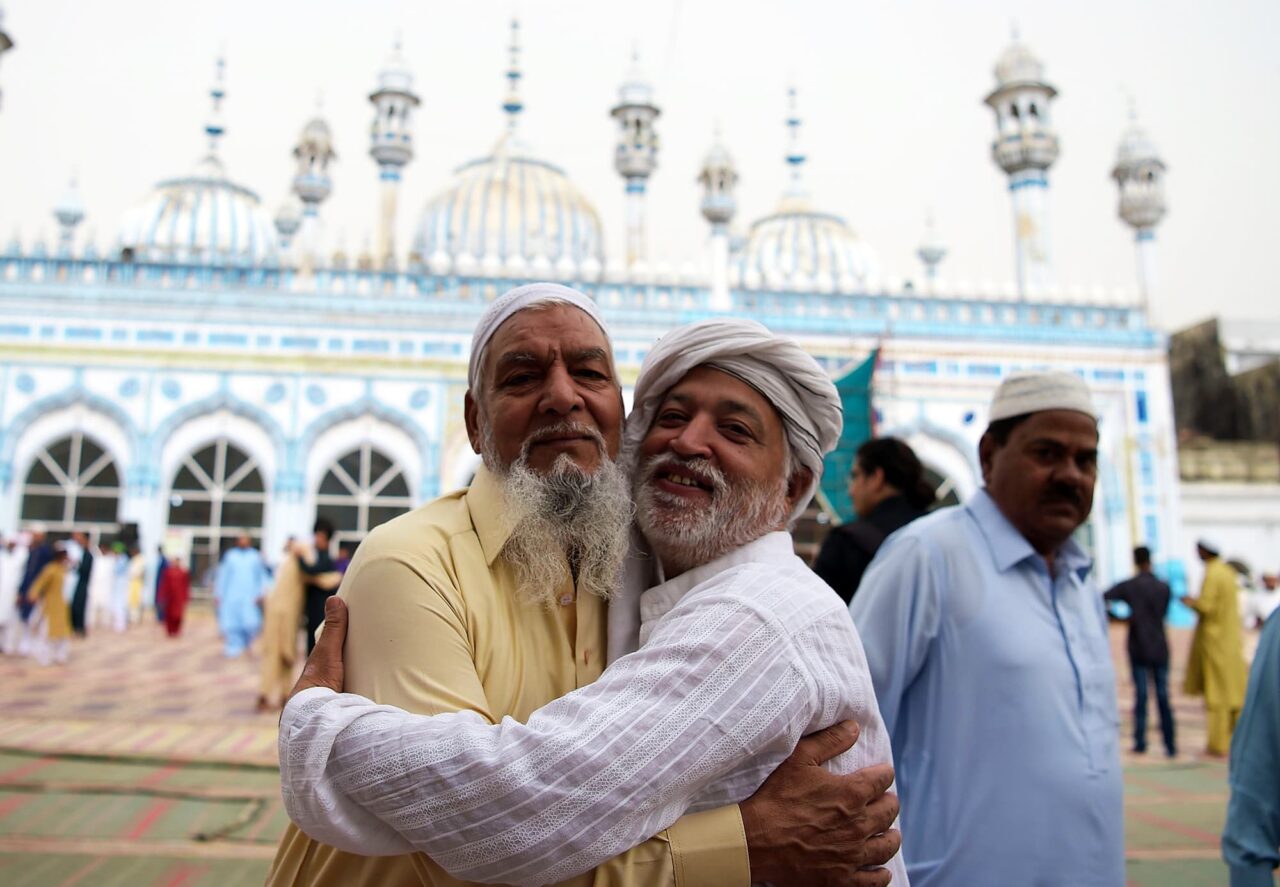
Families wake early. Breakfast is eaten. Congregational prayer (Jamaat) follows.
Mosques often cannot accommodate the number of people. In Dallas, the Convention Center hosts nearly 20,000 worshippers. In Yelahanka, my hometown near Bangalore, prayers are held in cemetery grounds known as EidGah’s prepared for the occasion.
After prayers, people hug three times:
- Forgive me.
- I forgive you.
- Let us begin anew.
Praying for the Deceased
Many visit cemeteries to pray for loved ones like the Memorial Day.
On a day of joy, we remember those who shaped our lives. The connection remains alive.
Eidi – Gifts
Children receive gifts — often money.
During my childhood, my father gave me one Anna. My friend Munaver and I bought orange soda for half an Anna each. It was simple joy.
Eid Parties
Homes become open houses. Families visit multiple homes. Hospitality and gratitude define the day.
Exceptions and the True Meaning of Fasting
Fasting is exempt for individuals with medical conditions such as diabetes, pregnant women, nursing mothers, travelers, and those who would be harmed by fasting.
Missed fasts may be made up later.
But the deeper teaching goes beyond physical exemption.
Prophet Muhammad ﷺ said that God has no need for the hunger or thirst of someone who hurts others, violates dignity, or usurps rights.
The fasting of the stomach must match the fasting of the limbs.
The eyes must fast from inappropriate sights.
The tongue must fast from lies, slander, gossip, vulgarity, and argumentation.
The ears must fast from harmful listening.
The hands and feet must fast from injustice.
The heart must fast from arrogance and attachment to ego.
True fasting is self-purification.
From it emerges justice, generosity, patience, kindness, forgiveness, mercy, and empathy — values indispensable for a successful community.
Knowing hunger intellectually is different from experiencing it.
If we do not taste hunger, we may not care for those who are hungry.
The Universal Message of Ramadan in 2026
Fasting exists in Baha’i, Buddhist, Christian, Hindu, Jain, Jewish, Sikh, Zoroastrian, and other traditions.
For fasting to be universal, its benefits must extend beyond Muslims. Ramadan must forge common humanity.
In a divided world, its message is urgent:
Discipline the ego.
Care for the vulnerable.
Forgive each other.
Live consciously.
Let the spirit of Ramadan build understanding and respect for every one of God’s creations — all of humanity.
Ramadan Mubarak.
Dr. Ghouse is the President and founder of the Center for Pluralism and director of the World Muslim Congress. He is an Interfaith Wedding Officiant for InterfaithMarriages.org and a Muslim Wedding Officiant. He is a Muslim, Pluralist, activist, speaker, author, and social scientist. More on Google