Introduction: The Power of Religious and Cultural Symbols
Many men and women choose to identify themselves through religious and cultural symbols. These visible markers reflect faith, tradition, and identity, often becoming an integral part of how individuals express who they are. Recognizing and respecting these choices is essential in building a society free from prejudice and discrimination.
Women and Religious Attire Across Cultures
Religious and cultural expressions vary across the world, and women often showcase their identity through attire and symbols:
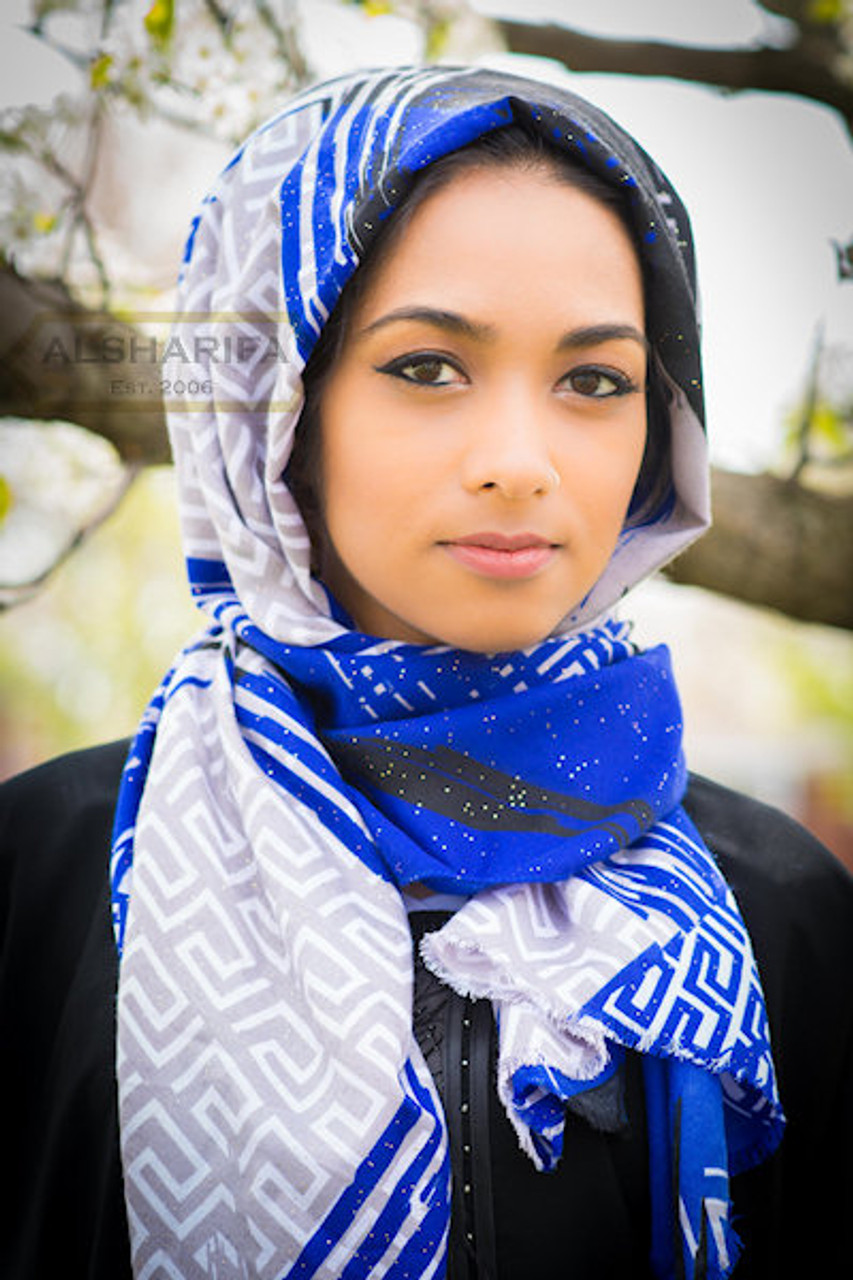
- Muslim women may wear a scarf, hijab, or burqa as an expression of modesty and faith.
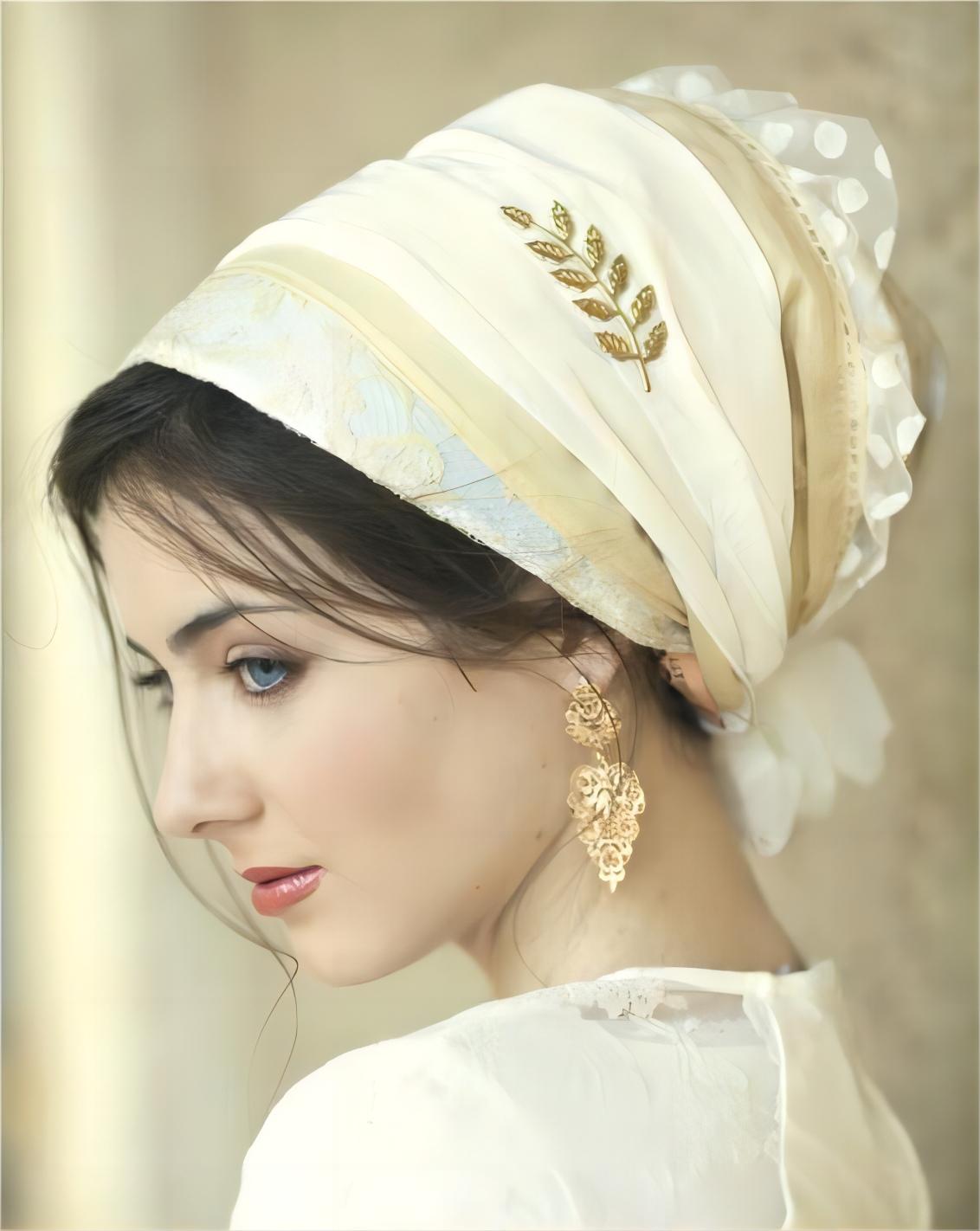
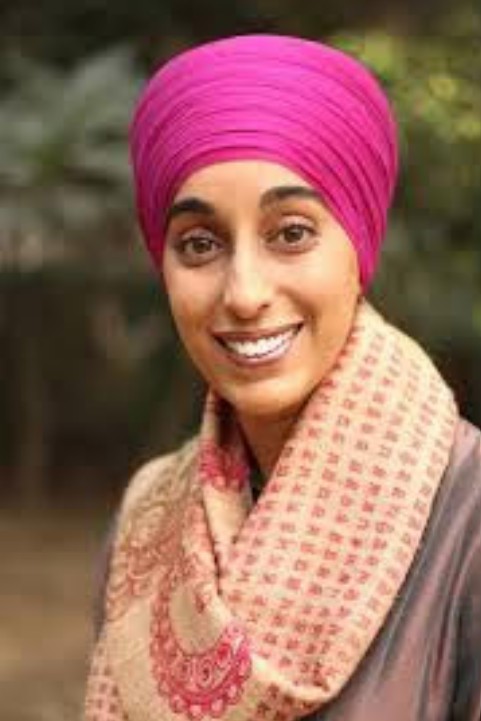
- Jewish and Sikh women traditionally cover their hair as a sign of respect and devotion.
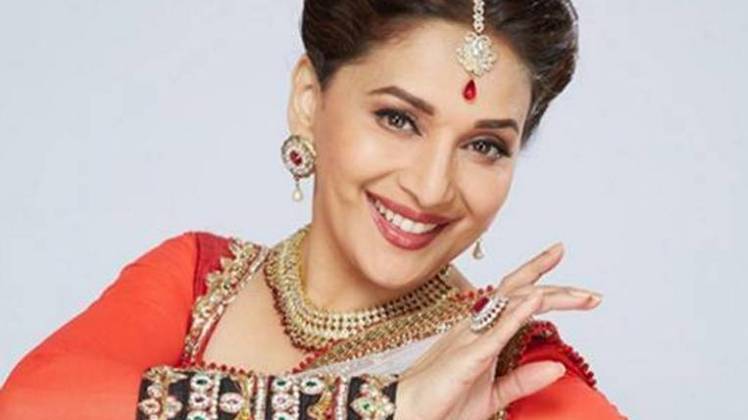
- Hindu women often wear a bindi, a small dot on the forehead, which symbolizes cultural heritage and spirituality.
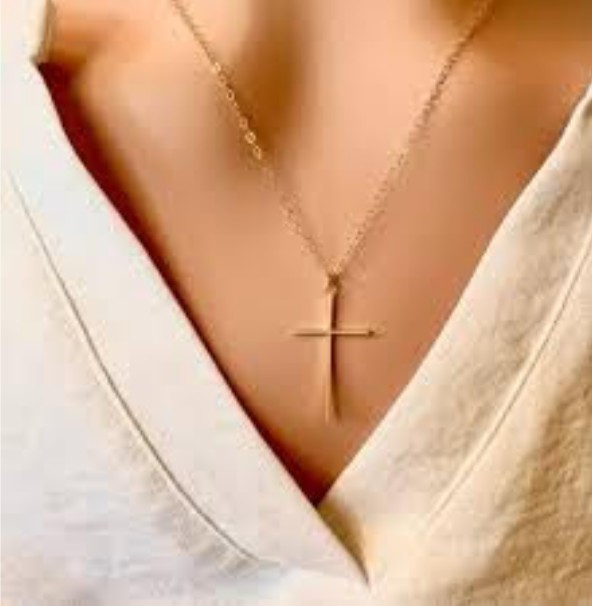
- Christian women may wear a cross as a symbol of their religious belief.
Each tradition holds unique meaning, but they share a common theme: a personal expression of faith and respect. In fact, every woman, regardless of religion, covers her hair in places of worship—an act symbolizing reverence and humility.
Understanding Men and Religious Symbols
While this reflection highlights women’s expressions of faith, men also wear religious and cultural symbols. From turbans and kippahs to crosses and prayer beads, men too communicate devotion and cultural belonging through visible markers. This will be the focus in a future discussion, continuing the journey of understanding how faith is expressed across genders.
Freeing Yourself from Prejudice
If you find yourself feeling prejudice against someone because of their attire, pause for a moment of self-reflection. Prejudice creates tension within you, not within the person you judge. By holding onto bias, you burden yourself with negativity, while the individual you criticize continues to live in alignment with their faith and values.
To release this burden and achieve inner peace, ask yourself two transformative questions:
- What is my loss? – What do I lose when someone chooses to dress according to their faith?
- What is the essence of what they wear? – Beyond fabric and symbols, what deeper meaning are they expressing?
When we shift our focus from judgment to understanding, we open ourselves to compassion, coexistence, and peace.
Conclusion: Choosing Respect Over Bias
Freeing from prejudice is not only about accepting others but also about liberating yourself from unnecessary emotional strain. By understanding the symbolism behind cultural and religious attire, we take a step toward building a more inclusive and harmonious world.
Respecting differences is not merely tolerance—it is a celebration of diversity. When you choose respect over bias, you choose inner freedom and universal harmony.
By Mike Ghouse
Center for Pluralism