about center for pluralism

 It is all about building a cohesive America

About the Center for Pluralism

Building Understanding Across Differences Since 1996

Differences do not have to divide us.

The Center for Pluralism brings people together across faiths, cultures, races, political perspectives and lived experiences—not by asking them to become alike, but by helping them understand and respect one another.

For three decades, we have created spaces where difficult conversations become possible, human dignity comes before labels, and diversity becomes a source of strength rather than suspicion.

30 years of public engagement
75,000+ people reached
Dialogue translated into action
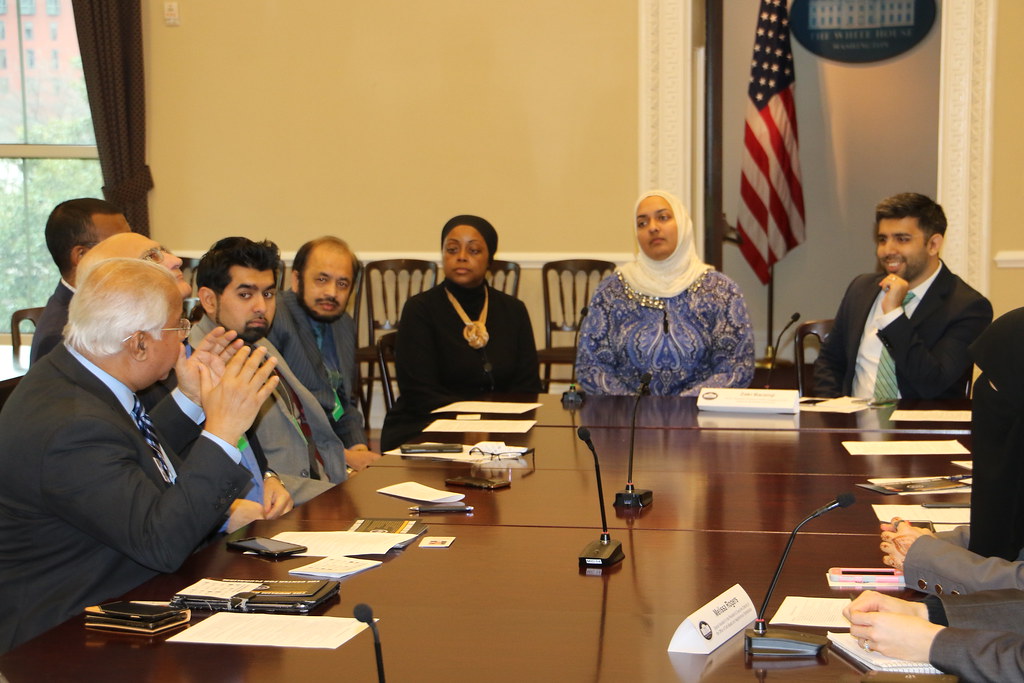
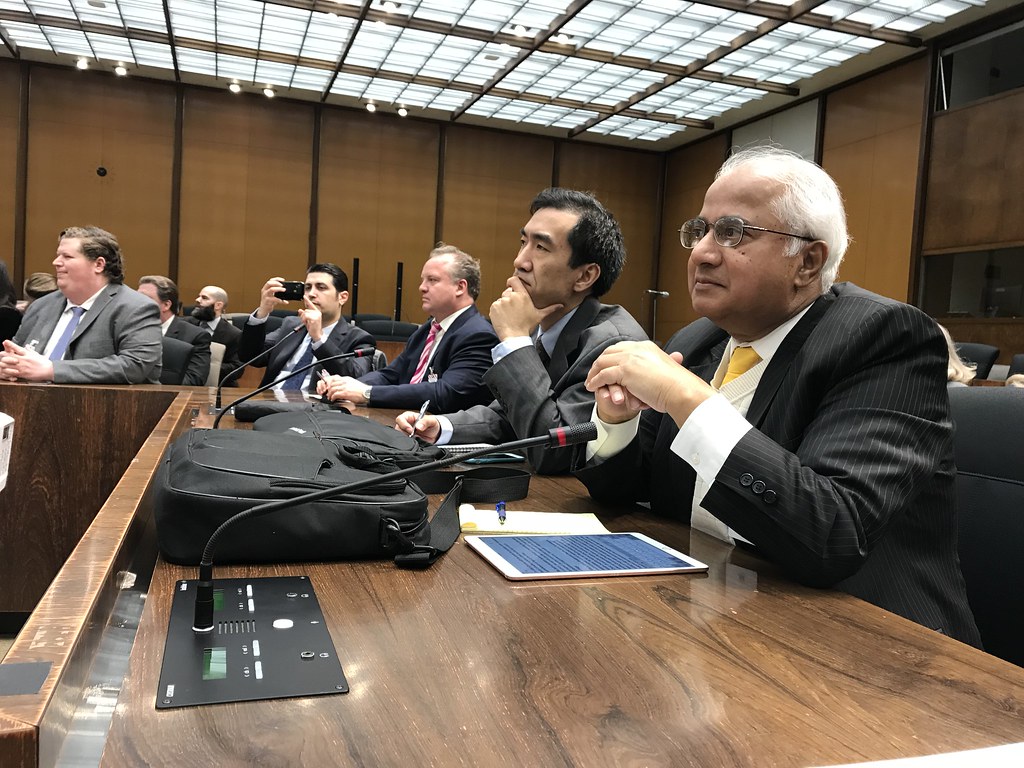
A diverse group participating in a civic roundtable discussion

Dialogue · Education · Civic Engagement

Pluralism Practiced

A place where difference is met with dignity.

The Center for Pluralism is an educational and civic organization dedicated to building cohesive societies. We work toward a simple but demanding goal: a society in which every person can feel secure in their faith, ethnicity, race, culture, political perspective, sexual orientation and other unique identities.

Our work reaches beyond statements of tolerance. Through education, public dialogue, advocacy, workshops, civic programs and community engagement, we help people replace assumptions with knowledge and apprehension with understanding.

Explore Our Perspectives Ideas that move dialogue forward

Our Mission

Open mind. Open heart. Shared humanity.

To encourage individuals to develop an open mind and an open heart toward their fellow beings.

If we can learn to accept and respect the God-given uniqueness of each one of the 7 billion of us, then conflicts fade and solutions emerge.

We believe that knowledge leads to understanding, and understanding to acceptance and appreciation of a different point of view.

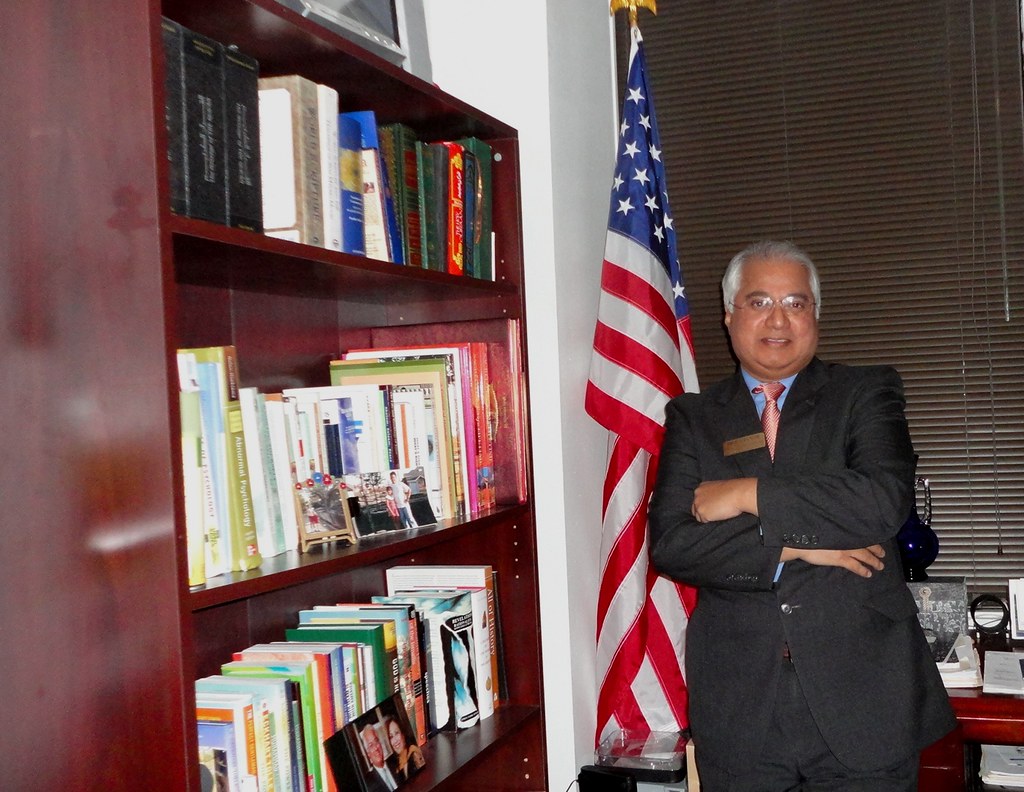
Dr. Mike Mohamed Ghouse standing beside books and an American flag, representing civic learning and pluralism
Knowledge into understanding

Conflicts fade when dignity becomes the starting point.The mission in practice

Our Story

How exclusion became a mission of inclusion.

The Center for Pluralism began with a contradiction: an interfaith space that did not know where to place someone who belonged to no recognized religious category.

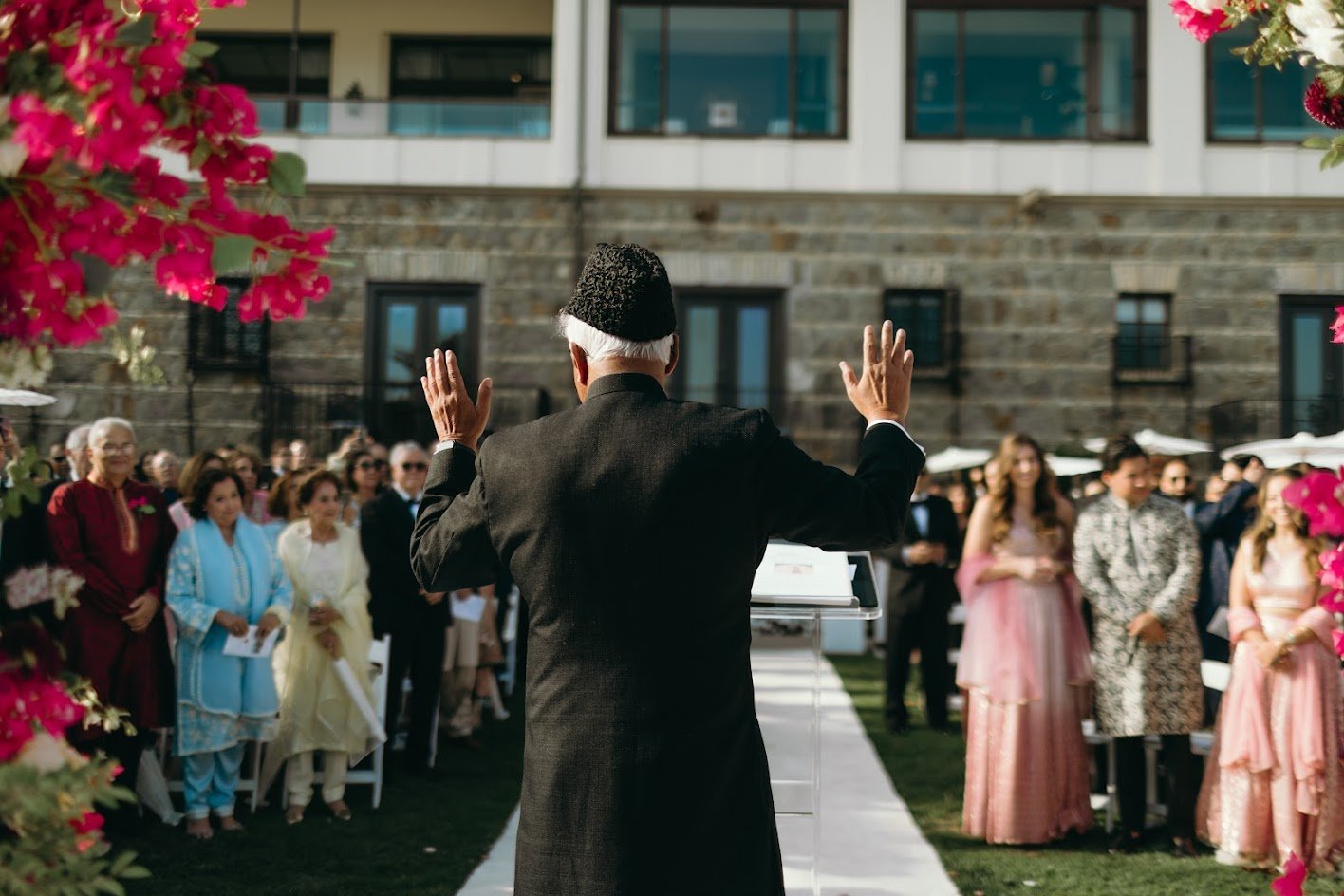
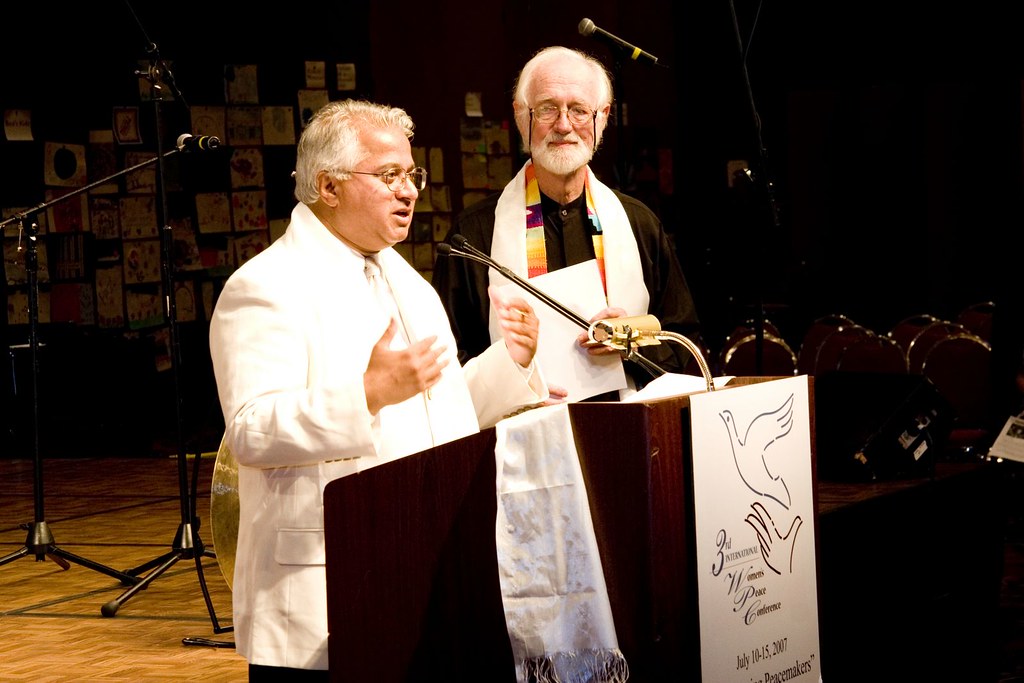
Dr. Mike Mohamed Ghouse participating in an interfaith gathering
Interfaith beginnings

From dialogue to civic life

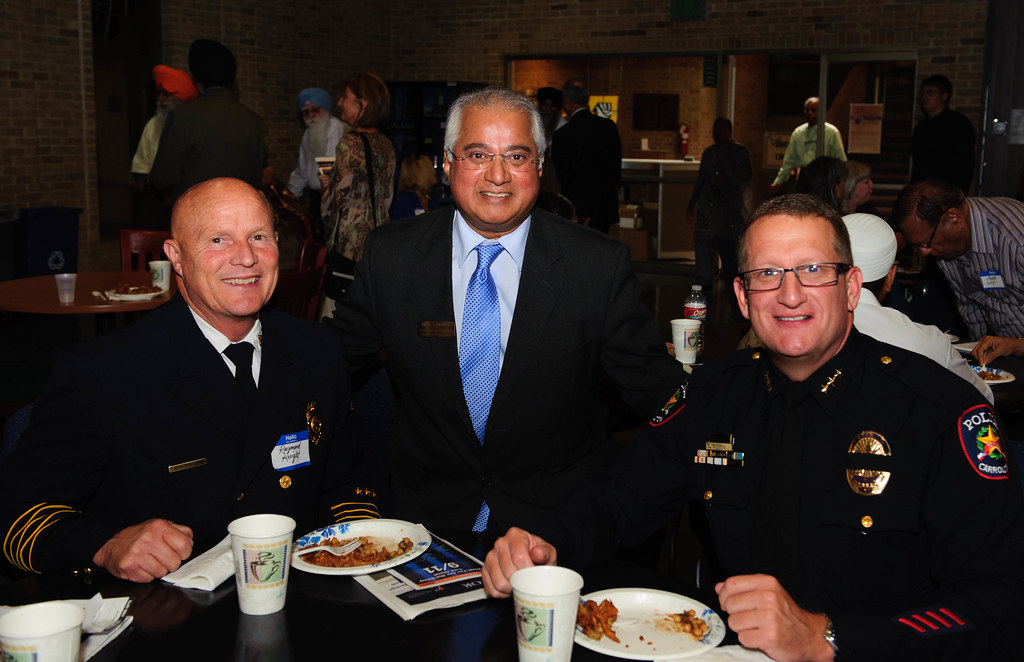
Center for Pluralism representatives taking part in a civic forum
1993

Equal space and dignity

In the early 1990s, Dr. Mike Mohamed Ghouse was working through Asian News to give South Asian faiths and communities equal space and dignity. The work reflected an emerging conviction: communities become stronger when people are represented fairly and given the opportunity to understand one another directly.

The turning point

A category with no place

When Dr. Ghouse later sought to participate in an established interfaith institution in Dallas, he was told that, as an agnostic, he did not fit within its religious structure. The experience exposed a boundary inside a space intended to bring people together.

The question that changed everything

If interfaith engagement welcomed only those who fit familiar religious categories, who would create space for everyone else?

1996

A platform where everyone belongs

The answer became the Foundation for Pluralism, formally established in 1996. It was built on a simple conviction: no person should have to dilute, defend or disguise their identity before being treated with dignity.

After September 11

Understanding becomes urgent

Following September 11, 2001, fear and suspicion were hardening into judgments about entire communities. The organization expanded its public engagement and evolved into the Center for Pluralism, carrying its work into religious understanding, civic life, politics, human rights, culture and the workplace.

The Center today

Pluralism wherever belonging is tested

Today, that same principle reaches places where exclusion can become deeply personal. In families, differences of faith, culture, marriage, identity or generation can place belonging under strain. In workplaces, assumptions and bias can influence who is heard, trusted, included or given an opportunity to advance. The Center encourages people to approach these differences with knowledge, fairness and respect—without requiring anyone to surrender who they are.

From one experience to an enduring purpose

What began as a response to exclusion became a continuing mission to ensure that others would not experience it.

Explore Our History

Our Philosophy

Respecting the otherness of the other.

Not sameness

Pluralism is not passive tolerance.
It is not an expectation that deeply held beliefs must disappear for people to live together.

Human identity

Every person carries a unique combination
of faith, culture, memory, conviction and experience. Those differences are realities to be understood and respected.

The practical path

Knowledge leads to understanding.
Understanding makes acceptance possible, and acceptance creates room for appreciation, cooperation and solutions.

Security reduces fear

When people feel secure in who they are,
they are less likely to fear who others are.

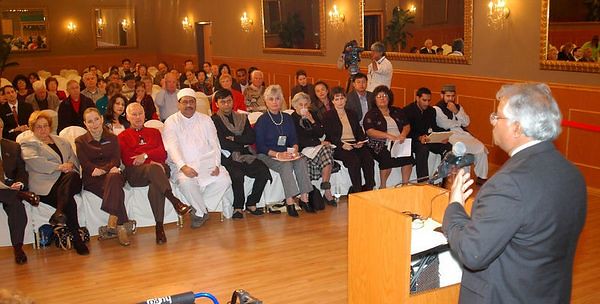
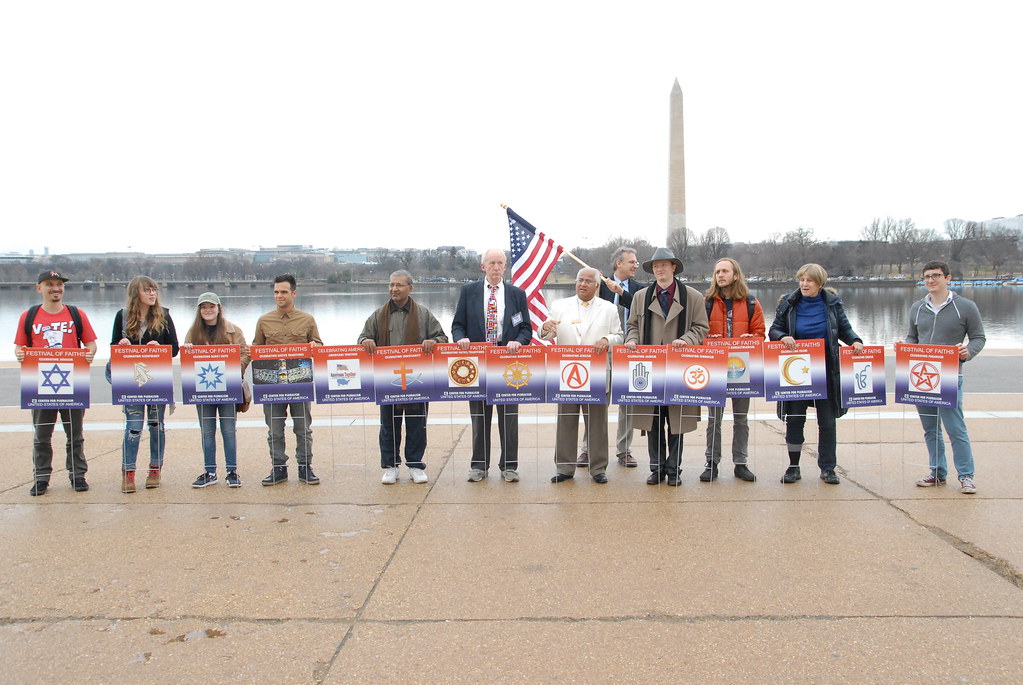
People representing different faith traditions in conversation at a Festival of Faiths program
Difference represented with dignity
Community and civic leaders gathered at a Unity Day program
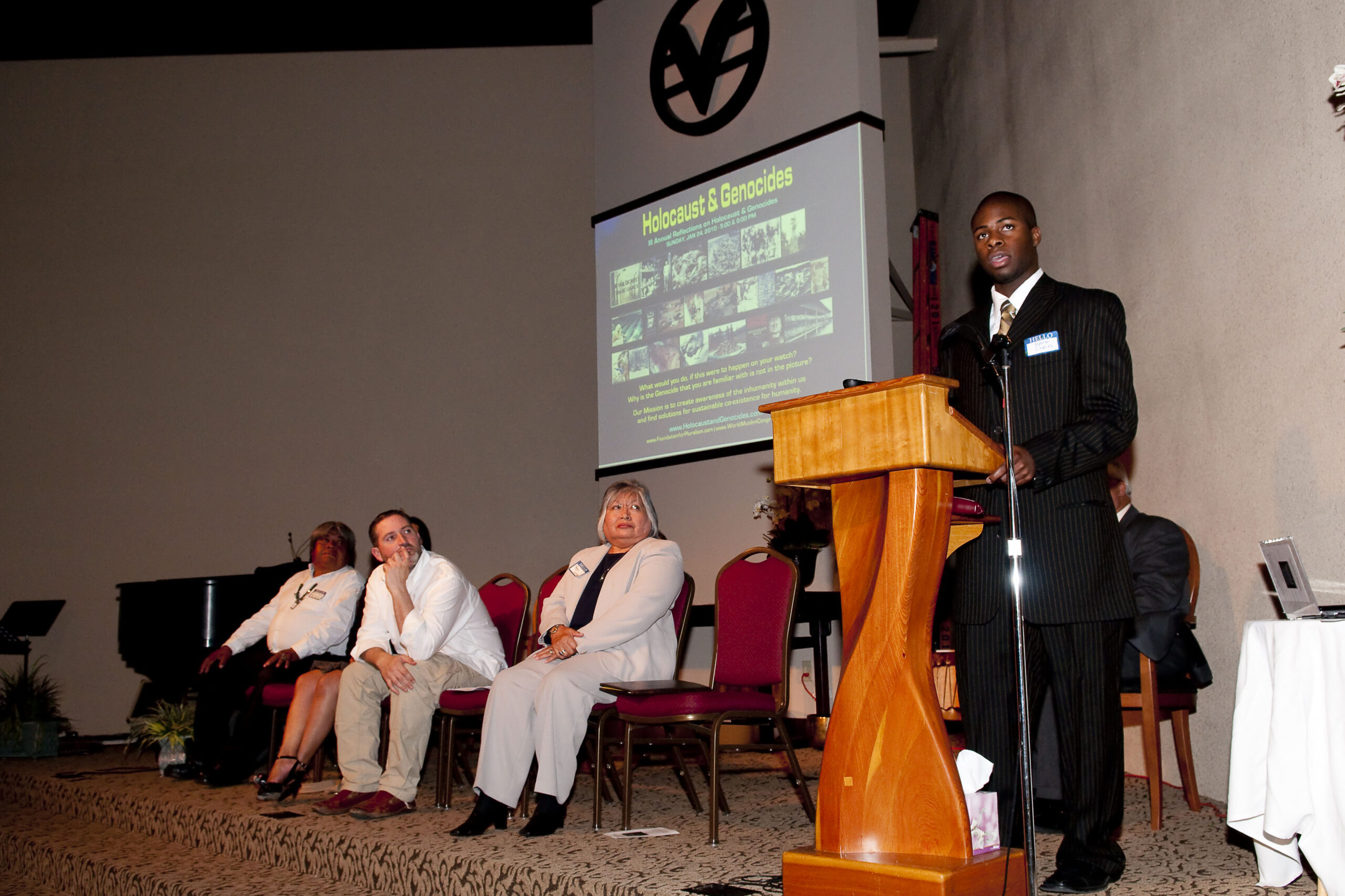
Holocaust and genocide remembrance program with speakers and guests

The Center's Working Principle

Pluralism becomes meaningful when it changes the way people encounter one another in neighborhoods, institutions, workplaces and public life.

01Knowledge
02Understanding
03Acceptance
04Appreciation
05Cooperation

Pluralism in Action

Five areas. One method: dignity in practice.

The Center applies this philosophy across five connected areas of public life, moving pluralism from belief into education, civic engagement, advocacy and dialogue.

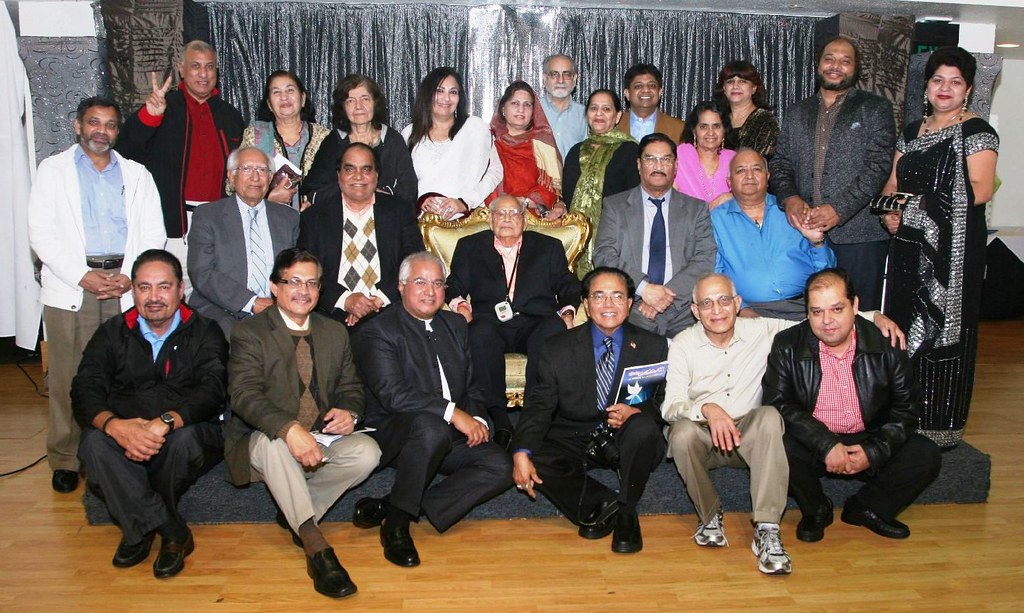
A diverse Center for Pluralism gathering representing civic and intercultural engagement
01

Interfaith and intercultural understanding

Helping people encounter faiths, traditions and cultures through learning rather than stereotypes.

02

Civic cohesion

Creating a shared sense of belonging in which citizenship is strengthened by diversity, not threatened by it.

03

Religious freedom and human rights

Standing for the dignity and freedom of people beyond one's own community.

04

Conflict mitigation

Bringing opposing voices into responsible conversation so disagreement does not become dehumanization.

05

Education and public discourse

Using workshops, seminars, writing, media and public programs to move ideas into community practice.

Three Decades of Public Engagement

Creating spaces where America meets itself.

People who might rarely share the same room are invited into a common civic space. Over the years, the Center's programs have brought together faith leaders, public officials, politicians, educators, advocates, first responders, families and citizens from across the political and cultural spectrum.

Unity Day USA gathering with civic, faith and community leaders
Signature Program

Unity Day USA

Unity Day brings Americans of different faiths, races, ethnicities and cultures together around shared citizenship, safety and national belonging.

Holocaust and genocide education program with attendees gathered for remembrance
Memory and Responsibility

Holocaust and Genocide Education

A continuing program that treats Never Again as a responsibility owed to every community, honoring victims while asking participants to resist prejudice before it becomes persecution.

Festival of Faiths public display with faith traditions represented
Learning Across Traditions

Festival of Faiths

An educational encounter with the celebrations, commemorations and meanings that shape the lives of our neighbors.

Workshop participants gathered for an educational program on religious understanding
Education and Understanding

Workshops on the Essence of Religions

Programs exploring religious and nonreligious traditions from atheism to Zoroastrianism, designed to replace inherited assumptions with informed understanding.

Civic leaders gathered at a public forum connected to pluralism and public life
Civic Belonging

Civic Celebrations and Public Forums

Thanksgiving, July Fourth and other public gatherings that connect gratitude, freedom, service and belonging to the everyday practice of pluralism.

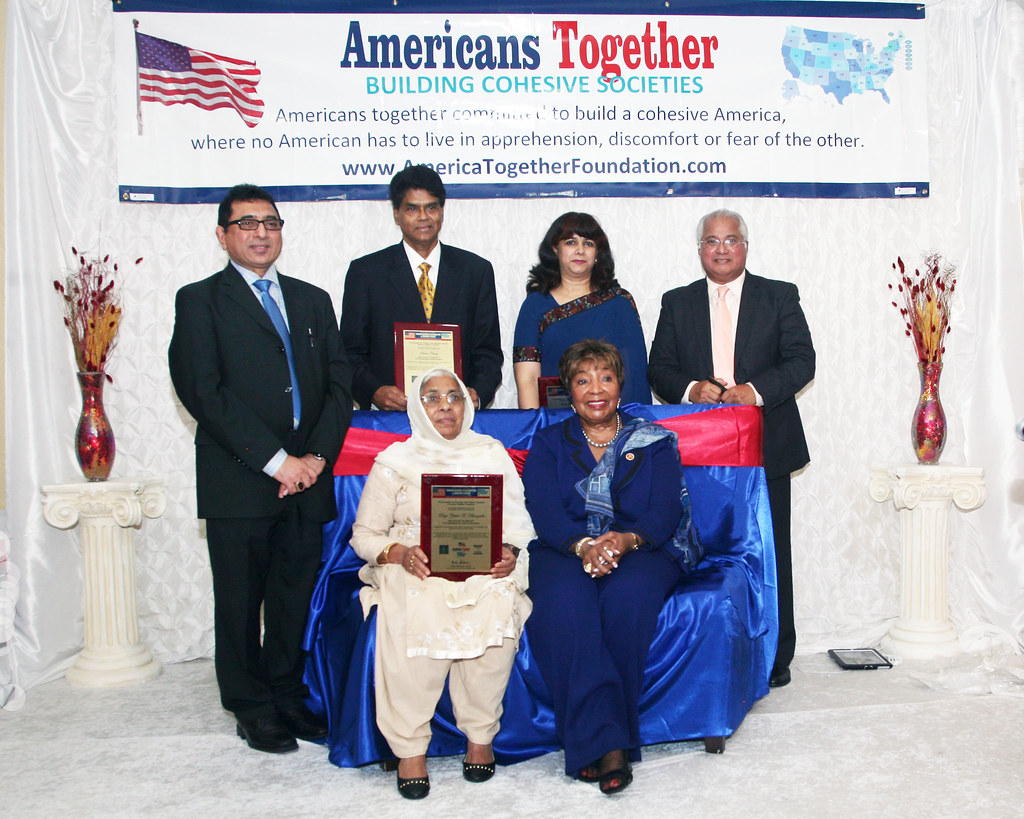
Pluralist recognition award ceremony with honorees and community representatives
Recognition and Trust

Pluralist Recognition

Awards honoring individuals who defend the rights and dignity of communities beyond their own and who build trust across lines of difference.

Recognition turns pluralism into a public standard: we honor people who protect dignity even when the community is not their own.

Impact Through Encounter

The measure of pluralism is what changes after people meet.

The Center for Pluralism reports that more than 75,000 people have taken part in or been reached through its programs and public engagement. Behind that number are encounters that helped participants see a neighbor, a faith or a community with greater clarity and less fear.

The Center's contribution is not simply the number of events it has held. It is the accumulation of conversations, relationships and public examples that show a diverse society can face disagreement without abandoning dignity.

A community gathered outdoors while a speaker addresses people from different backgrounds
Encounter becomes understanding
Reported reach 75,000+

People reached through programs, civic gatherings, public education and community engagement, according to the Center's records.

Continuing programs 20+ years

Unity Day, Holocaust and Genocide education and other recurring programs have continued across decades of public engagement.

Public education Hundreds

Hours of educational radio programming, workshops across religious traditions, civic events, advocacy and religious-freedom initiatives.

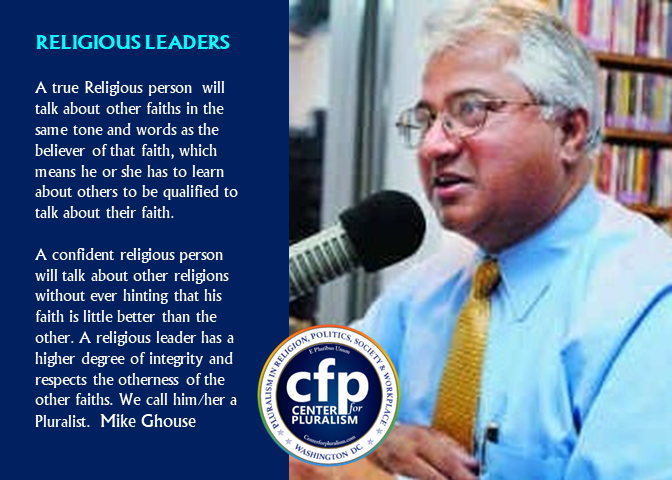
Dr. Mike Mohamed Ghouse, founder of the Center for Pluralism
Founder and civic bridge-builder
Stewardship is measured by the dignity it protects.Leadership principle

Leadership and Stewardship

Leadership grounded in the dignity of others.

Founded by Dr. Mike Mohamed Ghouse, the Center is supported by leaders, advisors, patrons and volunteers from diverse professional, cultural, racial, religious and civic backgrounds.

Together, they strengthen the Center as an inclusive institution and help its work reflect the communities it seeks to bring together.

America's Next Frontier

Pluralism is no longer optional. It is civic infrastructure.

As America marks 250 years, the question becomes larger than celebration: what legacy will America leave for the next 250 years? The Center's answer is pluralism: a society where every person can belong without giving up who they are.

America is becoming more diverse in every part of public life. That diversity brings extraordinary strength, but proximity alone does not create understanding. Without deliberate engagement, difference can be manipulated into fear, resentment and division.

The next chapter of the Center for Pluralism is therefore larger than interfaith dialogue. It is a national civic project: helping Americans develop the knowledge, confidence and relationships required to live with difference responsibly.

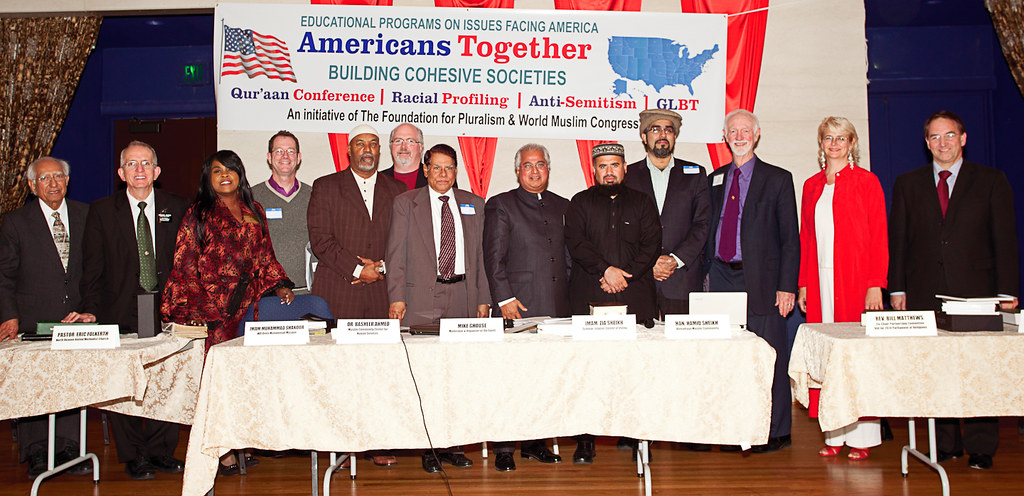
Americans Together program gathering representing pluralism as civic engagement
Building cohesive societies
Article theme

Unity without uniformity

The article argues that America can lead by showing how people of every faith, race, ethnicity, culture and background can live together with dignity.

Civic project

From judgment to understanding

The next step is learning to replace fear with knowledge, asking what is lost when others live faithfully, culturally and freely.

National leadership

Bridge-building as leadership

Through education, public recognition, partnerships and the National American Pluralism Awards, the Center intends to elevate pluralism as one of America's defining strengths.

Our Mission

It is to encourage individuals to develop an open mind and an open heart toward their following beings. If we can learn to accept and respect the God-given uniqueness of each one of the 7 billion of us, then conflicts fade and solutions emerge.  We believe that knowledge leads to understanding and understanding to acceptance and appreciation of a different point of view.

Our Board of Directors and Advisors will be a part of the movement in shaping the future of America, where every American would feel secure about his/her faith, race, ethnicity, sexual or political orientation, culture, or any other uniqueness. 

At the center for pluralism, we see an alignment of our work with our board members, bringing people together and standing up for the rights of others to create secure societies for every human being.

Board of Directors

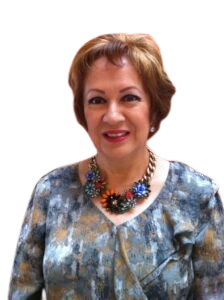
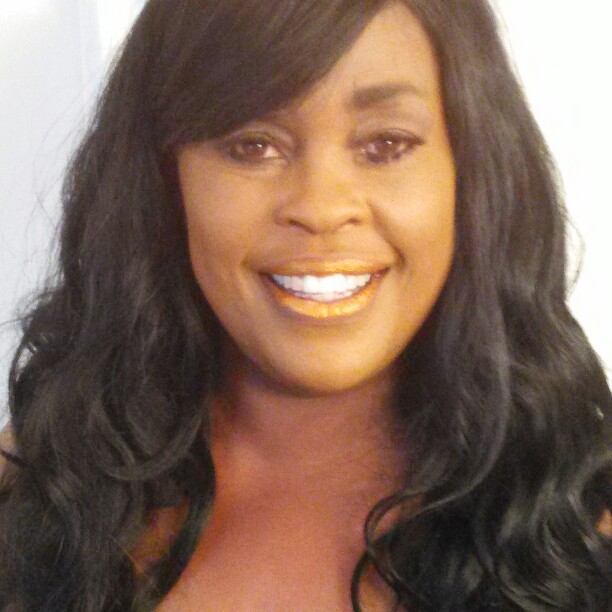
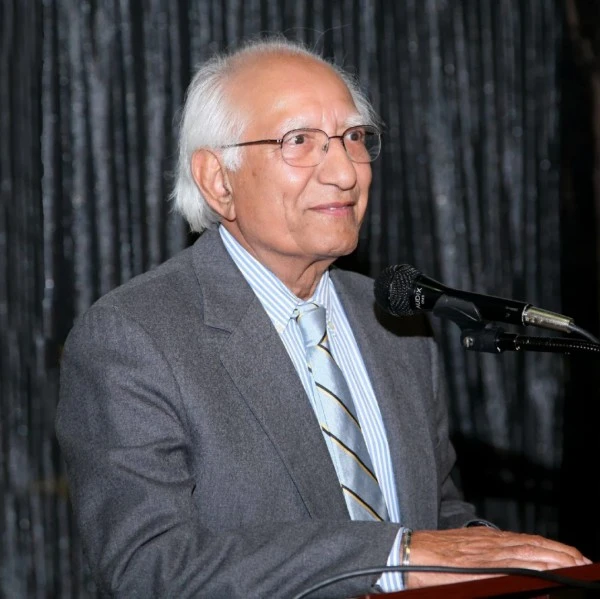
Dr. Mike Ghouse

Dr. Fatima Ghouse

Dr. Khaled Almaeena

Council of Advisors

Individuals representing different faiths (and no faiths) and political parties will be on the council of advisors for a two-year term.  Their role is to offer leadership in having their faith and political affiliation represented in our programs and outreach. All the names will be listed once we have the full slate.  CFP is an all-inclusive organization.

Dr. Indrajit Saluja

Fatima Argun

Karen Hollie

Dr. Harbans Lal

To learn more about our council of Advisors click here

Council of Patrons

Individuals are committed to supporting the ongoing work and connecting us with resources to take the message to the community at large.

  • Dr. TO Shanavas
  • Dr. Nauman Anwar
  • Dr. Basheer Ahmed
  • Dr. Rahat Khan
  • Mr. Mohammad Imran
  • Dr. Abdur Rahman Nakadar
  • Dr. Ishrat Hussain
  • Dr. Zafar Iqbal

MEMBERSHIP

Hover to see details

Annual membership is $100.00
Lifetime Membership $500.00

Volunteers

Hover to see details
Committed volunteers to coordinate events in DC and Dallas.

STAFF

Hover to see details
The Executive Director and two staff members run it on a thin budget.

Trustees

Donors to fund the organization and build long-term financial sustainability.  Some of the programs will be named after them and they will be the chair for the event or events.

Nothing will change if we don’t make the effort.

Our Humble Prayers

Dear God, bless us with an open mind and an open heart toward fellow humans primary attributes, toward fellow humans.

Dear God, help us remove the arrogance and ignorance so that love of our own faith does not become a basis for prejudice toward others.

Dear God, help us respect everyone’s way of worshiping and honoring you.

Dear God, help us with compassion and fairness, two of your primary attributes, toward fellow humans.

Scroll to Top